
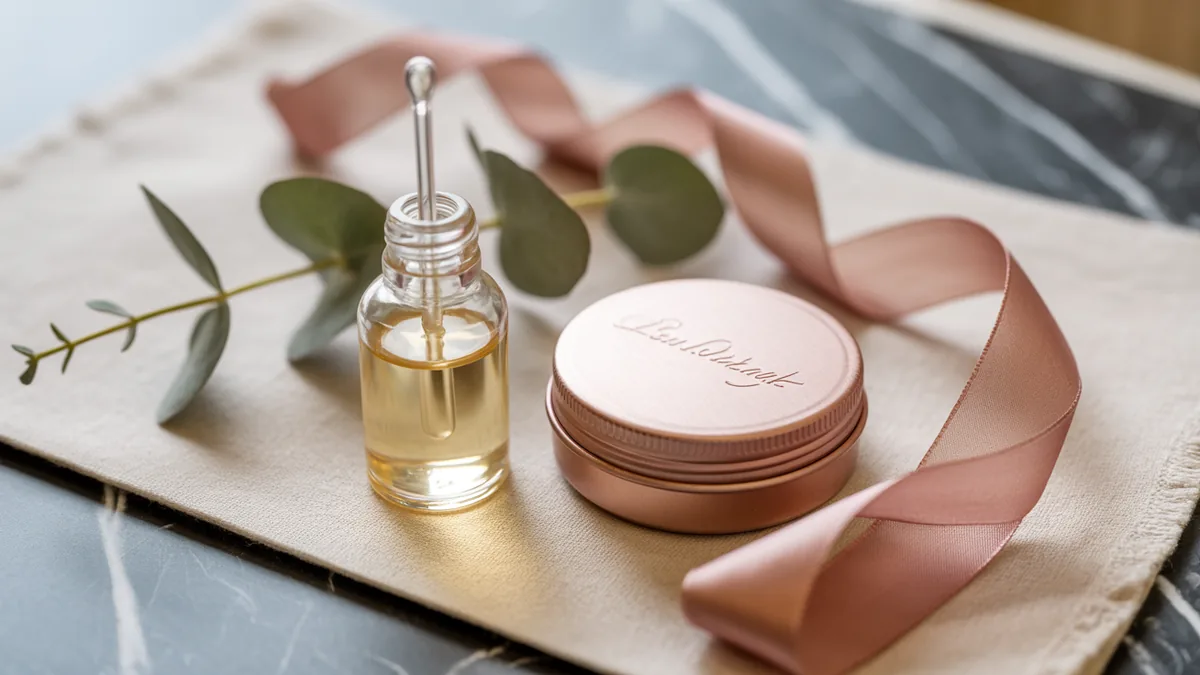
If you typed lip oil vs lip balm into a search bar, here is the short version before anything else. A lip balm seals your lips and protects them with waxes. A lip oil nourishes and adds a soft shine with oils, and it sinks in more than it sits on top. They do different jobs, and once you understand that, you stop choosing between them and start using each one when it makes sense. That is the whole answer. The rest of this is the part I wish someone had laid out for me when I owned five balms and still had flaky lips every winter.
I have a small, slightly embarrassing collection of lip products in a ceramic dish by my mirror. For years I bought whatever looked pretty without understanding what was inside or what it was actually meant to do. Some of them protected my lips. Some of them felt nice for ten minutes and then left my mouth drier than before. Learning the difference between a balm, an oil, and a gloss changed that, and it is genuinely simple once someone explains it plainly.
So that is what I want to do here. I will break down what a lip balm is, what a lip oil is, how a gloss fits in, the real benefits of lip oil, when I reach for each one, the best natural oils for dry lips, and a DIY lip oil recipe I make in a little roller bottle. No hype, no miracle claims. Just the honest version from someone who has tried far too many of these.
| Product | Main job | Best for |
|---|---|---|
| Lip balm | Seals and protects with waxes and butters | Cold wind, chapping, overnight protection, a barrier on raw lips. |
| Lip oil | Nourishes and adds soft shine with lightweight oils | Everyday hydration with a little glow, comfortable daytime wear. |
| Lip gloss | Adds high shine and color, often with thicker bases | A glassy, glossy look; shine first, care second. |
| Tinted lip oil | Light shine plus a wash of sheer color | A no-makeup makeup lip that still feels caring, not sticky. |
| DIY lip oil | Simple carrier oils you blend yourself | A fragrance-light, control-the-ingredients option for sensitive lips. |
Lip oil vs lip balm, the real difference
Plain definition: A lip balm is a wax-based seal that protects, while a lip oil is an oil-based treatment that nourishes and adds shine. Balm sits on top; oil sinks in.
The cleanest way to understand the difference between a lip oil and a lip balm is to look at what each one is made of. A balm is built around waxes and butters, things like beeswax, shea butter, and cocoa butter. Those ingredients are solid or semi-solid, so a balm sits on the surface of your lips like a little blanket. Its main job is to hold moisture in and keep the cold, wind, and dryness out. It is a protector first.
A lip oil is built around lightweight liquid oils, things like jojoba, sweet almond, or squalane. Because it is an oil, it spreads thin, soaks in a bit, and leaves a soft, non-sticky shine instead of a heavy coat. Its main job is to feed the lips and make them look healthy and glossy. It is a nourisher first, with a little glow as a bonus.
So the difference is not that one is good and one is bad. It is that a balm seals and an oil softens. A balm answers cold, raw, chapped lips. An oil answers dull, slightly dry, everyday lips that want comfort and a touch of shine. I think of the balm as the raincoat and the oil as the moisturizer. You would not wear a raincoat indoors, and you would not rely on a moisturizer in a storm.
Once that clicked for me, the choice stopped feeling like a debate. I keep both. I use the balm when my lips need shelter and the oil when they just need a drink and a glow. The same thin-layer logic shows up in skincare too, which is exactly the kind of restraint I lean on when I am applying a face serum: a little of the right thing, in the right place, beats a thick layer of the wrong thing.
What a lip balm is
Lip balm in short: A wax and butter based product that forms a protective seal on the lips, locking in moisture and shielding against wind, cold, and chapping.
A lip balm is the one most of us grew up with, the little tube or tin you swipe on when your lips feel tight. At its core it is a blend of waxes and butters with maybe a few oils mixed in. Beeswax or a plant wax gives it structure. Shea or cocoa butter makes it rich and soft. The result is a product that is solid at room temperature and melts to a protective film against the warmth of your skin.
That film is the whole point. Dermatology groups describe chapped lips as lips that have lost their protective barrier, which is why they crack and flake in dry air. The American Academy of Dermatology recommends a non-irritating balm or ointment to help heal and protect them. You can read the AAD's guidance on caring for dry, chapped lips for the clinical version. A good balm essentially does the barrier work your lips cannot do on their own when the weather turns harsh.
Where balms can disappoint is when they are loaded with the wrong extras. Camphor, menthol, strong flavors, and certain fragrances can feel cooling or tingly but irritate already-dry lips, sometimes making you reach for the tube more often in a frustrating loop. The Cleveland Clinic notes that some balm ingredients can actually worsen chapping, which is why a plain, boring balm often outperforms a fancy tingly one. Their take on why lips get chapped is worth a read.
My rule with balms is simple: the more raw and cracked my lips feel, the plainer and thicker the balm I reach for. For genuinely sore, peeling lips I want something occlusive and unscented, closer to an ointment than a treat. For everyday tightness, a softer butter-based balm is plenty. Either way, a balm is about protection, and that is the job I let it do.
What a lip oil is
Lip oil in short: A lightweight, oil-based product that nourishes the lips and leaves a soft, non-sticky shine, sitting somewhere between a treatment and a gloss.

A lip oil is the product that finally made my lips look healthy rather than just feel coated. It usually comes in a small glass bottle with a doe-foot wand, the same kind of applicator you see on a lip gloss. You swipe on a thin layer and it sinks in slightly, leaving your lips soft, plumped-looking, and glossy without that heavy, waxy weight a balm leaves behind.
Inside, a lip oil is mostly lightweight liquid oils. Jojoba, sweet almond, grapeseed, squalane, and sometimes a touch of castor oil for shine and slip. These oils are emollients, which means they soften and smooth, and many of them are close in feel to the natural oils your skin makes. Because they are thin, they do not just sit on top; they condition the lip surface and give it a fresh, dewy look that a matte balm never can.
The honest catch is that a lip oil is not a heavy-duty barrier. On a bitter, windy day, an oil alone will not shield raw lips the way a thick balm does. So I think of the oil as the everyday-comfort and glow product, not the storm gear. On normal days, in normal weather, it keeps my lips feeling cared for and looking their best, and that covers most of my life.
There is also a tinted lip oil category worth knowing about. A tinted lip oil gives a sheer wash of color along with the shine and care, so it doubles as the easiest no-makeup makeup lip you can do. If you want the look of gloss with more of a nourishing feel and less stickiness, a tinted oil is often the sweet spot. It is the lip equivalent of choosing something light and skin-like over something heavy and full-coverage.
Lip oil vs lip gloss
Oil vs gloss in short: A gloss is built for high shine and color and often feels thicker or stickier, while a lip oil prioritizes a lightweight, nourishing feel with a softer glow.
People mix up lip oil and lip gloss all the time, partly because they share that doe-foot wand and a shiny finish. The difference between a lip oil and a lip gloss comes down to intent. A gloss is engineered for shine and often color, so it tends to use thicker, sometimes tacky bases that cling to the lips and reflect light dramatically. The stickiness you remember from glosses is a feature there; it helps the shine last.
A lip oil flips the priority. Its first job is to nourish, and the shine is gentler and more natural-looking as a result. The texture is thinner and slippier, so it feels weightless rather than sticky. Many lip oils still give plenty of shine, but it reads as healthy and dewy rather than glassy and lacquered. If you have ever loved the look of gloss but hated the gluey feeling, a lip oil is very likely your answer.
There is overlap, of course. Some glosses now include caring oils, and some lip oils lean shiny enough to pass as gloss. But as a rule of thumb, ask yourself what you want most. If you want maximum shine and bold or sparkly color and you do not mind some tack, reach for a gloss. If you want comfort, a softer glow, and lips that feel conditioned at the end of the day, reach for an oil. That single question sorts almost every situation for me.
Benefits of lip oil
The honest summary: Lip oil hydrates and softens with lightweight oils, adds a natural shine, feels comfortable to wear, and can deliver antioxidants and a no-sticky daytime look.
Let me give you the benefits of lip oil without overselling them, because a lip oil is lovely but it is not magic. The first benefit is the obvious one: it nourishes. The emollient oils soften and smooth the lip surface, so over a day of regular use my lips feel less papery and look less dull. It is a gentle, cumulative kind of care rather than a dramatic overnight fix.
The second benefit is the feel. Because a lip oil is lightweight, it is genuinely comfortable to wear, with none of the heavy, draggy coating some balms leave. That comfort is why I actually reach for it through the day instead of forgetting it in a drawer. A product you enjoy wearing is a product that does its job, and the oil clears that bar easily.
Third is the look. A lip oil gives a soft, healthy shine that flatters most people and reads as effortless. It makes lips look fuller and fresher without the work of a full lip routine, which is why I love it on busy mornings. A tinted version adds the faintest wash of color and that is often all I want on a quiet day.
The fourth benefit depends on the formula. Many lip oils carry antioxidants like vitamin E, which can help protect the delicate lip skin and keep the oils from going off. Whether you DIY or buy, a little vitamin E is a nice addition. Just keep expectations grounded. A lip oil cares for and beautifies normal lips; it is not a treatment for a medical lip condition, and I will come back to that line later.
When to use which
Quick rule: Reach for balm when lips need protection, like cold weather or chapping, and reach for oil when they need everyday hydration plus a little shine.
Here is how I actually decide in real life, because owning both only helps if you know when to grab each one. I reach for the balm whenever protection is the priority. Cold, windy, dry-air days. Before bed, when I want a seal to work overnight. When my lips are starting to chap or feel raw and need a barrier more than a glow. In those moments a thin glossy oil is just not enough armor, and a thick, plain balm is exactly right.
I reach for the lip oil whenever comfort and a natural look are the priority. Normal days in normal weather. Mornings when I want my lips to look fresh with zero effort. Over a balm, even, as a glossy top layer once the balm has done its protective work underneath. The oil is my default daytime product and the balm is my weather-and-night product, and they happily coexist.
You can absolutely layer them, and I often do. Balm first as the protective base, then a swipe of oil on top for shine and a little extra nourishment. That combination gives you the seal of the balm and the glow of the oil at once, which is genuinely my favorite winter lip move. For an overnight treatment that goes further than either, see my lip mask guide, which covers the thicker, leave-on-while-you-sleep approach I use when my lips need real recovery.
If your lips tend to react to products, the choice matters even more, and simpler is safer. I lean fragrance-light and short-ingredient in those cases, the same instinct behind my sensitive skin routine. A plain balm and a plain oil, both free of menthol, camphor, and heavy fragrance, will serve reactive lips far better than anything tingly or strongly scented.
Best natural oils for dry lips
The short list: Jojoba, sweet almond, and squalane feel light and conditioning, while castor oil adds shine and slip. A drop of vitamin E helps protect and preserve.

If you want to understand lip oils, it helps to know the natural oils for lips that go into them, because once you do you can read a label or mix your own. My favorite all-rounder is jojoba oil. Technically a liquid wax, jojoba is remarkably close to the sebum our skin naturally produces, so it absorbs well, feels light, and rarely irritates. Jojoba oil for lips is my base of choice because it conditions without feeling greasy or heavy.
The other oil I always include is castor oil. Castor oil is thick, glossy, and a little sticky in the best way, which is exactly why it is the secret behind that high-shine, plump look in so many lip products. A little goes a long way. Castor oil for lips gives slip and a glassy finish, but use it sparingly, because too much can feel tacky. A small ratio of castor to a lighter oil is the trick.
Beyond those two, sweet almond oil is soft, gentle, and conditioning, a lovely middle-weight option. Squalane, often derived from olives or sugarcane, is feather-light, stable, and beautifully non-greasy, a favorite for people who hate heavy textures. Grapeseed oil is light and a touch astringent. And a few drops of vitamin E oil work as both a skin-loving antioxidant and a natural preservative that helps your blend last longer.
One thing I like about these oils is that they earn their place across more than just lips. The same jojoba and castor oils I use here are exactly the ones I reach for in my scalp care routine, which means one small bottle of each pulls double duty in my bathroom. If you are buying oils anyway, choosing ones that work in several places keeps the shelf small and the spending honest.
How to make lip oil, a real DIY recipe
DIY in short: Blend about two parts jojoba to one part castor oil in a small roller bottle, add a few drops of vitamin E and an optional drop of peppermint, shake, and roll on.
This is the actual DIY lip oil recipe I make, and it is almost embarrassingly simple. The whole appeal of learning how to make lip oil yourself is control. You choose every ingredient, you skip the fragrances and dyes your lips might not love, and you make a tiny batch for the cost of a few drops of oil. It takes about five minutes and lives in a little roller bottle in my bag.
Ingredients
- About 2 parts jojoba oil, the light conditioning base
- About 1 part castor oil, for shine and a glossy slip
- 2 to 3 drops vitamin E oil, antioxidant and natural preservative
- 1 small drop peppermint essential oil, optional, for a faint cool tingle
- 1 clean 10 ml roller bottle or a small glass bottle with a wand
Method
- Choose your carrier oils. Jojoba is your light base and castor oil is your shine, so this combination gives a glossy but not heavy feel. Make sure your bottle is clean and fully dry first.
- Measure into the roller bottle. Pour roughly two parts jojoba to one part castor oil, filling the bottle most of the way and leaving a little room at the top so it does not overflow when you cap it.
- Add the extras. Drop in two or three drops of vitamin E oil. If you want a gentle cooling tingle, add a single small, well-diluted drop of peppermint essential oil, and skip it entirely if your lips are sensitive.
- Cap and shake. Press in the roller ball, screw on the cap, and shake gently for a few seconds so everything blends evenly into one smooth oil.
- Apply. Roll a thin glossy layer onto clean lips, press your lips together, and reapply through the day as needed. Store it somewhere cool and out of direct sun.
A few honest notes from making this more than once. Keep the castor oil ratio modest, because too much turns the blend sticky rather than glossy. The peppermint is genuinely optional; if you prefer a fragrance-free option, leave it out and you lose nothing but the tingle. And because there is no water in this recipe, it keeps well, but vitamin E helps it stay fresh longer, so do not skip those few drops.
How to choose and what to avoid
Quick guide: Match the product to your need, favor short, gentle ingredient lists, and avoid menthol, camphor, and strong fragrances on dry or sensitive lips.
When you are standing in the aisle deciding, start with the job you need done, not the prettiest packaging. If your lips are chapped, cracking, or facing harsh weather, prioritize a plain protective balm or ointment. If your lips are basically healthy and you want everyday softness and shine, a lip oil is the happier pick. Naming the job first saves you from buying a glossy oil when what your lips actually needed was a barrier.
Then read the ingredients, even briefly. For dry or sensitive lips, the things to avoid are the ones that feel exciting in the moment, menthol, camphor, strong mint or cinnamon flavors, and heavy fragrance, because these can irritate and worsen dryness. A short, boring list is usually a good sign. Oils like jojoba, almond, and shea butter, plus a preservative or antioxidant, is the kind of label I want to see.
Finally, be a little skeptical of plumping claims. Many plumping lip products work by mildly irritating the lips with ingredients that make them tingle and swell slightly, which is the opposite of caring for them if they are already dry. A true nourishing oil makes lips look fuller because they are smoother and more hydrated, not because they are inflamed. That is the kind of fullness I am happy to chase, and the kind I would steer a friend toward.
When this won't fit your life
A lip oil or balm is a comfort and care product, not a medical treatment, and there are a few times to be cautious. Always patch test a new product or DIY blend before you slather it on, especially if you have sensitive skin or a history of allergies. Dab a little on the skin just outside your lip line or on your inner arm, wait a day, and watch for redness, itching, or swelling before you commit. Essential oils like peppermint are common sensitizers, so they are the first thing to leave out if your lips react easily.
If you have a known allergy to nuts, tree nuts, or any specific oil, read every label and skip those ingredients in your DIY too; sweet almond oil, for instance, is one to avoid if you react to nuts. And if your lips are severely cracked, bleeding, painfully swollen, or not healing, that is past the point a pretty oil can fix. Persistent or severe chapping can signal an actual condition like cheilitis, an irritation or inflammation that sometimes needs a doctor or dermatologist. Reach for a plain healing ointment in the short term and get real lips that won't heal looked at rather than layering on scented products. When in doubt, ask a clinician, not a blog.
Helpful sources and next reads
Reliable external sources
- American Academy of Dermatology: caring for dry, chapped lips
- Cleveland Clinic: why lips get chapped and how to help
- Harvard Health Publishing
More from Sabrina Saturno
You may also love
FAQ
What is the difference between a lip oil and a lip balm?
A lip balm is wax and butter based, so it sits on top of the lips and seals in moisture to protect them. A lip oil is oil based, so it is lighter, sinks in more, nourishes the lips, and leaves a soft shine. Balm protects, oil softens and glows.
What is the difference between a lip oil and a lip gloss?
A lip gloss is made for high shine and color and often feels thicker or sticky, with shine as its main job. A lip oil prioritizes nourishing the lips with lightweight oils and gives a softer, more natural shine that feels weightless rather than tacky.
What does lip oil do?
Lip oil conditions and softens the lips with lightweight emollient oils, gives them a healthy, non-sticky shine, and makes them look fuller and fresher. It is a comfortable everyday product that cares for normal lips and adds a touch of glow without heavy coating.
What are the benefits of lip oil?
Lip oil hydrates and smooths the lips, feels light and comfortable to wear, gives a natural shine, and often delivers antioxidants like vitamin E. A tinted version adds sheer color too. It is care plus a little glow, ideal for daytime, low-effort lips.
Can lip oil replace lip balm?
For everyday hydration and shine in normal weather, often yes. But a lip oil is not a heavy barrier, so on cold, windy days or when lips are chapped, a wax-based balm protects far better. Many people keep both and layer balm under oil in winter.
What are the best oils for dry lips?
Jojoba, sweet almond, and squalane are light, gentle, and conditioning, while a little castor oil adds shine and slip. Shea and cocoa butter help in balms. A few drops of vitamin E protect the lips and help homemade blends last longer.
Is jojoba oil good for lips?
Yes. Jojoba is one of the best oils for lips because it closely resembles the skin's own sebum, so it absorbs well, feels light, and rarely irritates. It conditions without greasiness, which makes it an ideal base for a lip oil or a DIY blend.
Is castor oil good for lips?
Yes, in small amounts. Castor oil is thick and glossy, so it gives lips that high-shine, plump look and a glassy finish. Use it sparingly, though, because too much feels sticky. A small ratio of castor to a lighter oil like jojoba works best.
How do I make lip oil at home?
Blend about two parts jojoba oil to one part castor oil in a clean 10 ml roller bottle, add two or three drops of vitamin E, and an optional single drop of peppermint essential oil. Cap, shake gently, and roll a thin layer onto clean lips.
Can you use lip oil every day?
Yes, lip oil is gentle enough for daily and repeated use, which is part of why people love it. Choose a formula without menthol, camphor, or strong fragrance, especially if your lips are sensitive, and patch test any new product before regular use.
Does lip oil make your lips bigger?
Nourishing lip oils make lips look fuller because they are smoother and well hydrated, not because they are swollen. Some plumping products tingle by mildly irritating the lips, which is not true care. Real fullness from an oil comes from softness and shine, not inflammation.
Should I use lip oil or a lip mask at night?
A lip oil is light and better suited to daytime comfort and shine. For overnight, a thicker leave-on lip mask gives deeper recovery while you sleep. I cover that fully in my lip mask guide, which is the heavier treatment to a lip oil's everyday glow.
What ingredients should I avoid in lip products?
On dry or sensitive lips, avoid menthol, camphor, strong mint or cinnamon flavors, and heavy fragrance, since these can irritate and worsen dryness. Favor short, gentle ingredient lists built around oils and butters, and patch test anything new before committing to it.
The version that lasts
Here is where I have landed after years of a too-full lip dish by my mirror. Lip oil versus lip balm was never really a contest, because they answer different needs. The balm is my protector, the thing I reach for in cold wind and at night when my lips need a seal. The oil is my everyday comfort and glow, light enough that I actually wear it instead of forgetting it.
What lasts for me is keeping it simple and honest. One plain balm for protection, one gentle oil for daily care, and the little roller bottle I mix myself when I want to control every ingredient. That small, boring kit handles nearly every lip situation I run into, and it cost me far less than the pile of pretty products it replaced.
So if you take one thing from all of this, let it be the question, not the product: what do my lips need right now, protection or nourishment? Answer that, reach for the right one, and layer them when winter asks for both. The version that lasts is the gentle, unfussy one that fits your real days, and that version is allowed to be enough.