
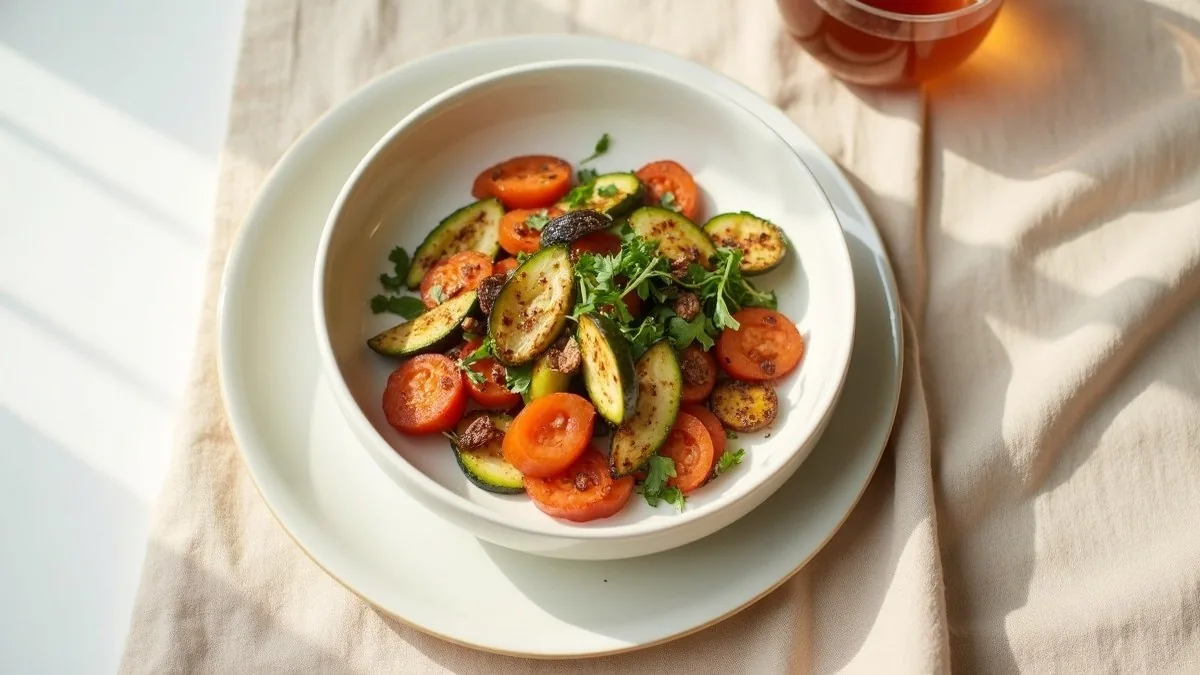
I want to tell you about the moment I stopped weighing my self-worth against a plate of food. For years I kept a quiet ledger in my head, a column for the foods that made me good and a column for the foods that made me bad, and I balanced it after every meal like a tired bookkeeper. Eating kind instead of strict is the practice of closing that ledger. It does not mean giving up on nourishment. It means refusing to turn dinner into a verdict.
This is a gentle eating philosophy, not a diet and not a meal plan. I wrote it for women who are tired of rules that work for three weeks and then collapse into a long, guilty Friday night. If you have spent years chasing the perfect protocol and ending up further from your body than when you started, I think the five moves below will feel less like a program and more like a long exhale.
None of this is about willpower, because willpower was never the problem. The problem was the framework, the idea that food is a moral exam you either pass or fail. So I will walk you through how I let go of food labels, learned to eat regularly enough to stop the swing between restriction and rebound, built plates that actually satisfy me without a single calculation, and made room for joy and culture at the table. It is softer than what diet culture sells, and in my experience it is also the only thing that ever lasted.
| Question | Short answer |
|---|---|
| Is this a diet? | No. It is a gentle, anti-restriction eating philosophy with no rules, no counting, and no food banned for being bad. |
| What are the five moves? | Drop good-and-bad labels, eat regularly, build satisfying balanced plates, honor hunger and fullness, and keep joy and culture in food. |
| Will I lose control if I stop restricting? | Usually the opposite. Reliable eating and permission tend to quiet the restrict-and-rebound swing rather than feed it. |
| How long until eating feels calmer? | Many people feel a little less food anxiety within a few weeks, though unlearning years of diet rules is slow and personal. |
| Is it safe for everyone? | If you have a history of disordered eating or a medical condition, work with a dietitian or doctor before changing how you eat. |
Closing the food ledger
The core idea: A kind way of eating treats food as nourishment and pleasure, not as a moral exam you pass or fail by lunchtime.
For most of my twenties I ate inside a courtroom. Every bite went on trial. A salad earned me a quiet sense of virtue, a cookie earned me a sentence, and I served it by eating less the next morning or promising myself a longer workout. I thought this vigilance was the same thing as health. It took me years to see that it was actually a slow erosion, a way of being at war with the most ordinary part of being human.
The trouble with the strict approach is that it does not even deliver what it promises. Rules feel powerful at first because they give the day a shape. Then a hard week arrives, the rules crack, and the cracking feels like a personal failure rather than what it really is, which is the predictable result of asking a body to run on punishment. I had the discipline. I did not have peace, and I certainly did not have a steady relationship with food.
Eating kind, not strict, starts with a quiet rebellion against the scorecard. It says that a person who can eat a slice of birthday cake and feel nothing but the cake is healthier, in the truest sense, than a person who eats steamed broccoli braided through with anxiety. It does not throw nutrition out the window. It simply lowers the emotional temperature around the table, and that drop in heat is where the real healing turned out to live for me.
I want to be honest that this is a philosophy, not a fix. There is no badge at the end, no after photo, no week where you graduate. What there is, instead, is a slow return to trusting yourself. The five moves below are the ones that helped me close my own ledger, and I offer them the way I would offer a chair to a friend who has been standing in that courtroom far too long.
Move one: retire the good-and-bad food labels
Move one in a line: When a food stops being morally good or bad, it stops having power over your self-worth, and most of the guilt simply dissolves.
The first thing I did was harder than any cleanse. I stopped sorting food into the good column and the bad column. This sounds small until you try it and notice how constantly your mind does it. Bread, bad. Avocado, good. Pasta, dangerous. Kale, safe. I had absorbed thousands of these tiny verdicts, and each one came with a feeling attached, usually pride or shame.
Here is what I learned by sitting with it. A food does not carry virtue. A croissant is not sinful and a smoothie is not holy. They are both just food, with different textures, different nutrients, and different roles in a day. The moment I started describing food by what it actually does, this is filling, this is light, this is what I am craving tonight, the moral charge began to drain out of it. And when the charge drains out of the food, it drains out of you too.
The guilt is the part worth examining, because guilt was running the whole show. When I labeled a food bad and then ate it, I felt I had failed, and that feeling often pushed me to keep eating well past comfort, since I had already ruined things anyway. Remove the label and you remove the rupture. There is no perfect record to break, so there is no spiral to fall into. The cookie is a cookie. You eat it, you enjoy it, you move on with your evening intact.
None of this means nutrition stops mattering. I still notice that certain meals leave me clearer and steadier, and I lean toward them often because they feel good, not because they make me a good person. That is the quiet distinction at the heart of this move. You can prefer vegetables without making them a religion, and you can enjoy dessert without making it a confession. Both can be true on the same plate.
If you want one practice to begin with, try catching the label as it forms. The next time the word bad floats up about something you are about to eat, gently swap it for a neutral description. Not bad, just rich. Not good, just fresh. It feels mechanical at first. After a few weeks, I found the labels arriving less often, like guests who finally took the hint and stopped showing up.

Move two: eat on a steady rhythm so the swing settles
Move two in a line: Eating regularly enough during the day is what quiets the restrict-then-rebound swing, far more than any amount of willpower at night.
For a long time I thought my evening eating was a character flaw. I would hold the line all day, proud and a little hungry, and then somewhere around eight at night the whole structure would give way and I would eat with a frantic, almost panicked energy that I could not explain. I called it a lack of discipline. I now understand it was the most natural thing in the world.
A body that has been underfed during the day does not negotiate at night. It demands. The restrict-and-rebound swing is not a sign of weakness, it is biology doing its job, reaching for energy that was withheld. The harder I restricted by day, the harder the rebound came, and then I would punish myself for the rebound with more restriction the next morning. Round and round, a wheel that turned on hunger.
The move that broke the wheel was almost embarrassingly simple. I started eating regularly. Breakfast that actually held me, a real lunch, something in the afternoon when the gap stretched long. Not a rigid schedule with alarms, just an honest effort to not let myself get to that wild, depleted place where every decision goes sideways. When the day is fed, the night gets quiet. The frantic energy I had blamed on willpower simply stopped showing up, because the deprivation that caused it was gone.
I think of it now as keeping the tank from hitting empty. It is much easier to eat thoughtfully from a place of mild, normal hunger than from a place of desperation. Desperation does not make calm choices. So rather than trying to muscle through the evenings, I started winning the days, gently, by eating enough and often enough that my body never had to sound the alarm.
This is also where I had to forgive my past self. All those nights I labeled as failures of control were really just the back end of restriction I had imposed earlier. Once I saw the swing as a loop rather than a verdict, I could step out of it. The fix was never more strictness at night. It was more kindness, and more food, during the day.
Move three: build a satisfying plate without counting
Move three in a line: A plate that includes protein, something hearty, color, and a little fat tends to satisfy on its own, no numbers required.
Once I stopped counting, I worried I would lose all sense of how to build a meal. The opposite happened. Without the spreadsheet in my head, I could finally pay attention to what actually made a plate satisfying, which turns out to be a feeling, not a figure. I learned to assemble meals by looking at them rather than tallying them.
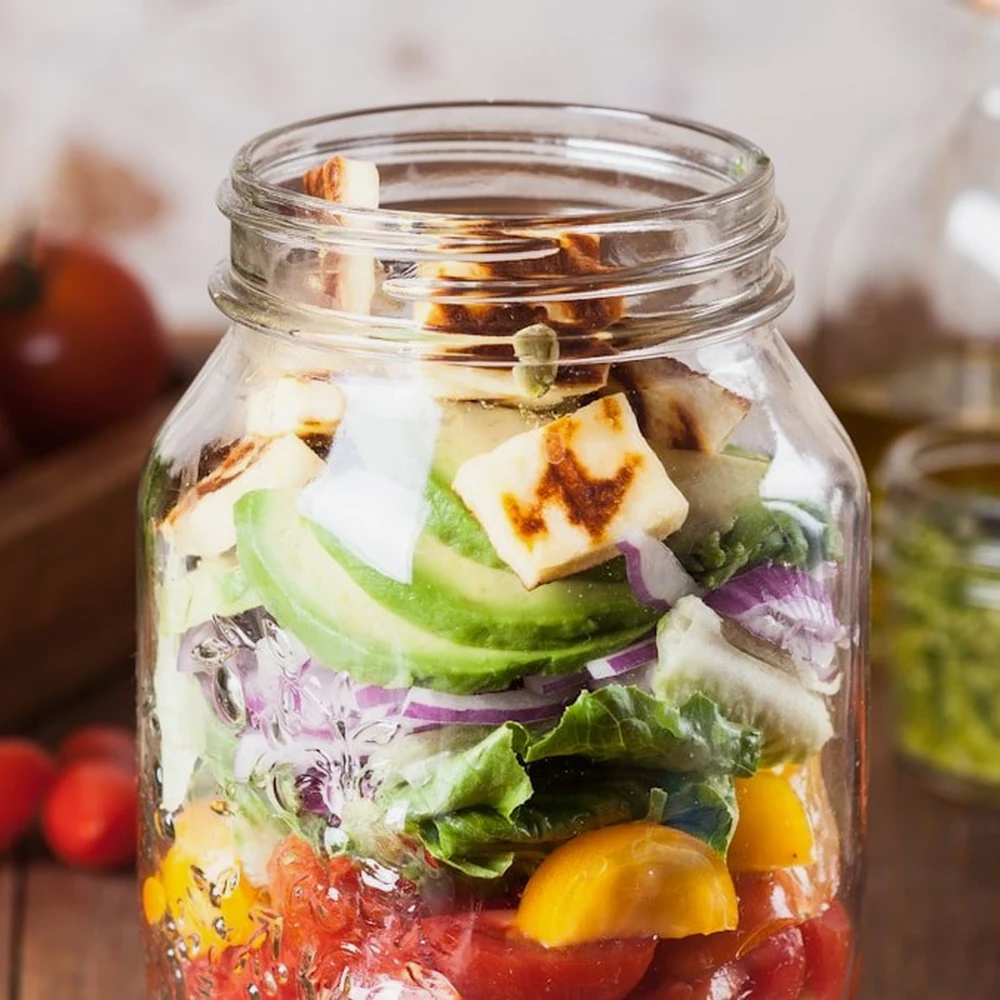
My loose template is gentle and forgiving. I want some protein, because it is what keeps me full and steady for hours. I want something hearty and substantial, a grain or a potato or bread, because a plate of pure lightness leaves me rummaging in the cupboard an hour later. I want color from vegetables or fruit, because they make the meal feel alive and bring the texture I crave. And I want a little fat, a drizzle of olive oil, some cheese, a handful of nuts, because fat is what makes food taste like something worth slowing down for.
Notice there are no amounts in any of that. I am not measuring grams or filling a tracker. I am asking whether the plate has the parts that, from experience, tend to leave me genuinely content. Some days the protein is a roast chicken and some days it is a scoop of beans on toast. The template flexes around my real life, my budget, and what is actually in the kitchen, which is the only way a way of eating survives a normal month.
The reason I trust satisfaction over counting is that satisfaction is the thing that actually prevents the rummaging and the restless grazing. A meal that hits all those notes tells my body, clearly, that it has been cared for, and a cared-for body stops nagging. A meal engineered to be as small as possible does the reverse. It technically feeds you while leaving you faintly unfinished, and that unfinished feeling is what sends you back to the kitchen at nine.
If counting has been your whole framework, letting go of it can feel like stepping off a ledge. Start with one meal a day that you build by feel instead of by number. Look at the plate and ask the simple question, does this have enough of what fills me. With practice, the template moves from your head into your hands, and you stop needing to think about it at all.
Move four: let hunger and fullness lead again
Move four in a line: Your body sends clear signals about hunger and fullness, and relearning to trust them is the most personal part of eating kind.
This is the move I resisted longest, because for years I had treated hunger as the enemy and fullness as a number on a plan rather than a sensation in my body. Diet culture had taught me to override both. Ignore the hunger, that is just weakness. Stop at the portion, regardless of whether you are satisfied. I had outsourced the two most basic conversations a body can have to a set of external rules, and I had stopped listening entirely.
Coming back to those signals is slow, gentle work, and I want to be careful here, because for some people this internal listening is genuinely complicated and deserves professional support. But for me, the practice started with simply noticing. Before a meal, am I actually hungry, and how hungry. Partway through, has the edge come off. Near the end, am I comfortable, or am I about to tip into that overfull heaviness I do not enjoy. No grading, just noticing, the way you might check the weather.
What surprised me was how reasonable my body turned out to be once I let it speak. After years of assuming it would demand chaos if given freedom, I found it mostly wanted ordinary things at ordinary times. It liked to be fed when hungry and it liked to stop when comfortable. The wildness I had feared was never the body. It was the rebound from all the times I had ignored it, the same swing from move two showing up in a different costume.
Honoring fullness does not mean stopping the instant you are no longer starving, and honoring hunger does not mean eating the moment a craving flickers. It means treating those signals as worth consulting, as information rather than as threats. Some days I eat past comfortable because the food is wonderful and I am with people I love, and that is part of being human too. The point is not precision. The point is rejoining the conversation.
If your signals feel muffled right now, please be patient and tender with yourself, because years of overriding them does not undo in a fortnight. Hunger may feel scary, fullness may feel vague, and that is normal at the start. The skill returns gradually, one noticed sensation at a time. And if it stays distressing, that is a sign to bring in a professional, not a sign that you are doing it wrong.
Move five: keep joy and culture at the table
Move five in a line: Food is family, memory, celebration, and pleasure, and a kind way of eating protects all of that instead of sanitizing it away.
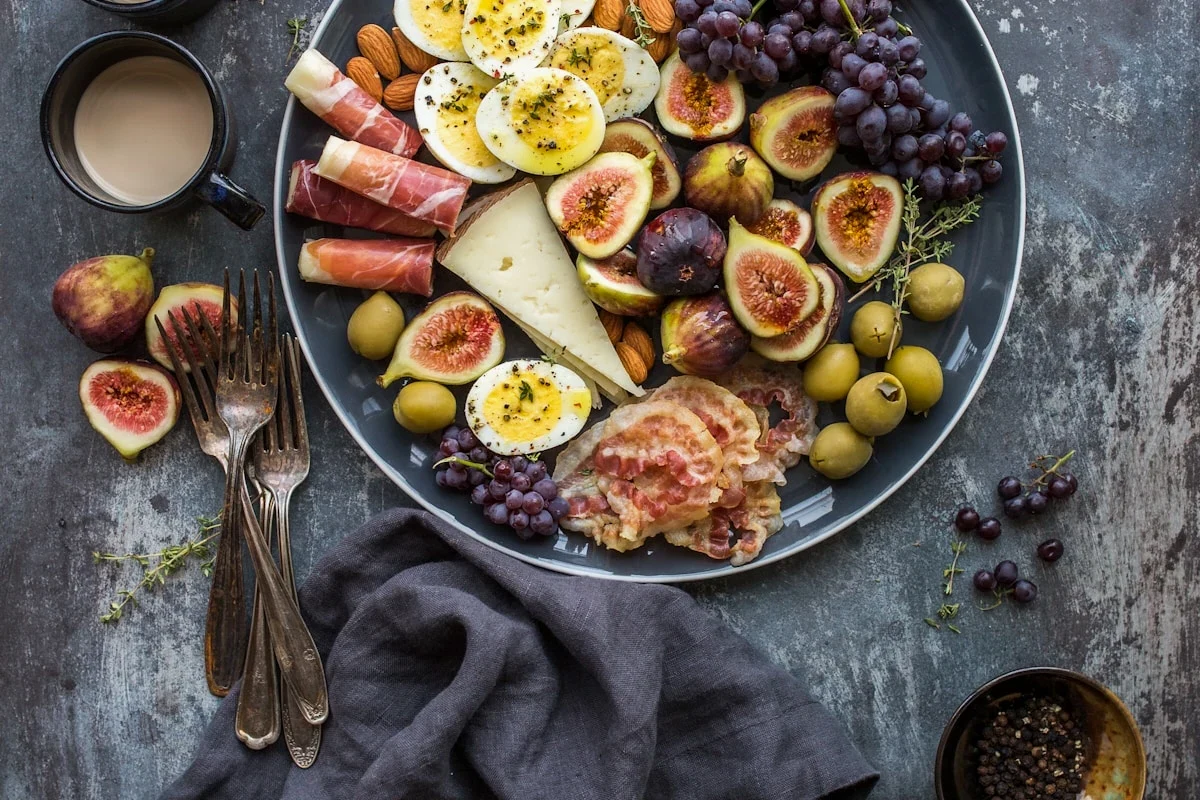
The last move is the one I almost left out, and it is the one I now think matters most. Somewhere in all my years of rules, I had let food become purely functional, a delivery system for nutrients to be optimized. In the process I had quietly amputated everything that made eating beautiful. The Sunday meals at my grandmother's table. The specific pleasure of a dish you only have once a year. The way a shared plate can hold an entire afternoon of conversation.
Eating kind means refusing to let a philosophy of health flatten the joy and culture out of food. The recipes passed down in your family are not obstacles to wellness. They are part of what makes a life worth being well for. When I started treating those foods as treasures rather than temptations, eating got warmer, and warmth turned out to be its own kind of nourishment, one no nutrient label can measure.
There is also the simple, unglamorous truth that pleasure is part of satisfaction. A meal I genuinely enjoy satisfies me in a way a joyless correct meal never quite does. When I let food taste good, when I cook things I love and eat them without a running commentary of guilt, I am full in a deeper sense. The enjoyment is not a weakness to be controlled. It is information telling me the meal is doing its whole job.
Culture deserves its own mention, because so much diet advice is quietly built on a narrow, sanitized idea of healthy that erases the foods many of us grew up on. A kind approach holds space for every table. Your celebrations, your holidays, your comfort dishes, the meals that taste like home, all of it belongs. Health that requires you to abandon your heritage is not health I am interested in, and it is not health that lasts.
So I keep joy on the table on purpose. I cook the rich thing sometimes. I say yes to the dinner invitation and the slice of cake and the long lunch that runs into the afternoon. These are not lapses from the philosophy, they are the philosophy. A life of eating kind, not strict, is one where food gets to be nourishment and pleasure and memory and love, all at once, the way it was always meant to be.
Why this matters more than it seems
The heart of it: Wellful nutrition is the shift from asking food to prove your discipline to asking whether a meal will carry you kindly through the day.
The way we talk to ourselves about food shapes our whole relationship with it, and for years mine was a running scorecard of good and bad, virtue and failure. Eating kind rather than strict matters because that scorecard is exhausting and it does not even work. Meals built on punishment lead to rebellion, while meals built on care lead, slowly, to actual nourishment.
It matters too because the strict approach misunderstands what a healthy relationship with food looks like. It is not rigid control, it is flexible trust, the ability to enjoy a meal without guilt and to feel full without anxiety. Wellful nutrition is really about lowering the emotional temperature around eating, which turns out to be more healing than any single nutrient.
There is real harm in the strict, scorekeeping approach that makes the gentle one matter so much. Treating foods as moral categories, good and bad, virtuous and shameful, reliably breeds the restrict-and-rebound cycle that frays both our eating and our peace of mind. A flexible, kind relationship with food is not a soft compromise on health, it is very often the more genuinely healthy path, because it is the one a person can actually sustain.
What I learned the hard way
I spent years treating every meal as a test of my willpower, and the harder I tried to control my eating, the more out of control it felt. Restriction during the day led to ravenous, guilty evenings, and I blamed my discipline when the real problem was the entire framework of discipline I had built.
The change came when I stopped asking meals to prove anything and started asking a gentler question: will this carry me kindly into the next few hours? That single reframe loosened the whole anxious grip. The lesson was that food was never meant to be a moral test, and the kindest thing I could do for my health was to take the judgment out of eating entirely.
I also learned that lowering the emotional temperature around eating freed up a surprising amount of mental space. The constant low hum of food rules, calculations, and guilt had been quietly exhausting, and letting it go gave me back attention for the rest of my life. Eating well stopped being a project that consumed me and became a gentle background rhythm, which is exactly what a sustainable relationship with food should feel like.
How to know it's working
A kinder relationship with food shows up in your mood and behavior around meals far more than on any scale.
- Meals start to feel like care rather than a test you might pass or fail.
- You can enjoy a treat without guilt or a sense of having ruined everything.
- The ravenous, out-of-control evenings ease, because the day is no longer built on restriction.
- You feel genuinely full and satisfied after eating, instead of anxious or deprived.
- Food takes up less space in your mind, freeing attention for the rest of your life.
If eating still feels fraught, be gentle and patient, because unlearning years of food rules takes time. The direction matters more than the speed, and any softening counts.
When this won't fit your life
If you have a history of disordered eating, an eating disorder, or a difficult relationship with food, please approach all nutrition content, including mine, with care and ideally with professional support. General writing about eating cannot account for your history, and a qualified therapist or dietitian can offer the individualized help this deserves.
And if a medical condition requires specific dietary management, the flexible, intuitive spirit here still needs to live alongside your medical guidance, not replace it. Eating kind and eating for a health condition are not opposites, but the specifics belong to you and your care team, not to a general philosophy.
Hold this approach with patience and self-compassion, because unlearning years of diet culture does not happen in a week. There will be days the old scorekeeping voice returns, and the practice is simply to notice it and choose gentleness again. The direction matters more than the speed, and any movement away from food anxiety and toward steady, kind nourishment is a genuine and worthwhile win.
Helpful sources and next reads
Reliable external sources
More from Sabrina Saturno
You may also love


FAQ
Is eating kind, not strict, just an excuse to eat whatever I want?
It is not, though I understand why it can sound that way. Dropping the rules is not the same as dropping the care. You still lean toward foods that leave you steady and well because they feel good, not because a chart tells you to. The difference is that the care comes from attention and kindness rather than guilt and control. In my experience, that is the version that actually holds, because it does not depend on a willpower you have to keep refilling.
Will I gain weight if I stop restricting?
I cannot promise anything about your body, and that is honest. What I can say is that constant restriction tends to drive the very swings, the frantic evenings and the rebounds, that make eating feel out of control. For many people, eating regularly and satisfyingly actually calms all of that down. This philosophy is not about a number on a scale at all. It is about a steadier, less anxious relationship with food, which is a goal worth having regardless of what your weight does.
How is this different from intuitive eating?
It overlaps a great deal, and I owe a lot to that body of work. Honoring hunger and fullness and rejecting food rules are central to both. I think of what I share here as a plainspoken, lived-in version, told through my own years of getting it wrong. If the ideas resonate, the formal framework of intuitive eating, especially with a qualified practitioner, is a wonderful and more thorough place to go deeper.
What if I have real health reasons to watch what I eat?
Then the kind spirit here lives alongside your medical guidance, it does not replace it. Eating for a condition like diabetes, celiac disease, or high blood pressure is specific to you and belongs to you and your care team. You can still drop the moral scorekeeping and the guilt while following the dietary management your health genuinely requires. Kindness and medical care are partners, not opposites.
I have a history of disordered eating. Is this safe for me?
Please approach all nutrition writing, including mine, with care, and ideally with professional support. General articles cannot account for your history, and concepts like honoring hunger and fullness can be genuinely complicated to relearn after an eating disorder. A therapist or dietitian who specializes in this work can offer the individualized help you deserve. There is no weakness in needing that. It is the wisest possible step.
How long does it take to feel calmer around food?
Slower than anyone wants, and it varies enormously from person to person. Some people notice a little less food anxiety within a few weeks of eating more regularly. Unlearning years of diet rules, though, is a longer arc measured in months and seasons, not days. The old scorekeeping voice will still show up sometimes. The practice is simply to notice it and choose gentleness again. The direction matters far more than the speed.
What do I do when the old good-and-bad labels come back?
You notice them, and you do not panic. The labels are deeply grooved, so they will keep arriving for a while, especially under stress. When one shows up, I gently swap it for a plain description. Not bad, just rich. Not good, just fresh. You are not trying to force the thought away, only to loosen its grip. Over time the labels arrive less often and carry less charge, but the work is repetition, not a single triumphant decision.
Do I have to give up tracking or counting completely?
That is your call, and only yours. For me, counting kept the courtroom running, so letting it go was essential. For others, a loose awareness feels fine and not at all distressing. The honest test is emotional. If tracking makes you anxious, rigid, or prone to guilt, it is working against the kindness this is built on. If it genuinely does not, you have more freedom than I did. Notice how it makes you feel and let that be your guide.
How do I build a satisfying plate when I am short on time or money?
The template flexes all the way down. Protein can be a tin of beans or two eggs. The hearty part can be toast, rice, or a baked potato. Color can be frozen vegetables or a piece of fruit. A little fat can be a spoon of olive oil or some grated cheese. The point was never premium ingredients. It is the combination of parts that leaves you full, and that combination is available on a tight budget and a tight schedule.
What if I eat past full or eat for comfort sometimes?
Then you are human, and the philosophy already has room for it. Eating past comfortable at a wonderful meal with people you love is part of a full life, not a failure of one. Eating for comfort now and then is one of the oldest, most ordinary things people do. The shift is to let those moments be ordinary instead of catastrophic. No spiral, no penance the next day. You simply return, at the next meal, to eating with care.
Can I still have real nutrition goals with this approach?
Absolutely, and they tend to work better without the guilt strapped to them. Wanting more vegetables, more protein, or steadier energy is a fine and caring goal. The difference is that you pursue it because it feels good in your body, not because it makes you a good person. Strip away the moral charge and the goal becomes something you move toward with curiosity rather than something you flog yourself with. That is a far more sustainable engine.
My family's food does not look like wellness culture. Where does it fit?
Right at the center, where it belongs. So much diet advice quietly erases the foods many of us grew up on, as if health only looks one narrow way. A kind approach holds space for every table, your celebrations, your holidays, your comfort dishes, the meals that taste like home. Health that asks you to abandon your heritage is not health worth having. Your culture is not an obstacle to wellness. It is part of what makes wellness meaningful.
Is it normal for this to feel uncomfortable at first?
Completely normal, and worth expecting. Stepping away from rules you have leaned on for years can feel like standing without a railing. The discomfort is not a sign you are doing it wrong. It is the sensation of unlearning. Go slowly, keep self-compassion close, and remember that any movement away from food anxiety and toward steady, kind nourishment counts. You are allowed to find your own pace, and you are allowed to ask for help along the way.
Conclusion
I think back often to the woman keeping that quiet ledger, balancing her worth against a plate of food after every meal. I wish I could tell her sooner that the war she was fighting was never going to be won by fighting harder. It was only ever going to end by laying the weapons down. Retire the labels, eat on a steady rhythm, build plates that satisfy, listen to hunger and fullness, and let joy and culture keep their seat at the table. That is the whole of it.
This is slow, unglamorous work with no finish line, and that is exactly why it lasts. There will be days the scorekeeping voice returns, and the practice is simply to soften and begin again. Be patient with yourself, ask for professional help if your history or your health calls for it, and trust that every step away from food anxiety is a real and worthwhile win. You deserve a table where eating feels like care, not like a test.