
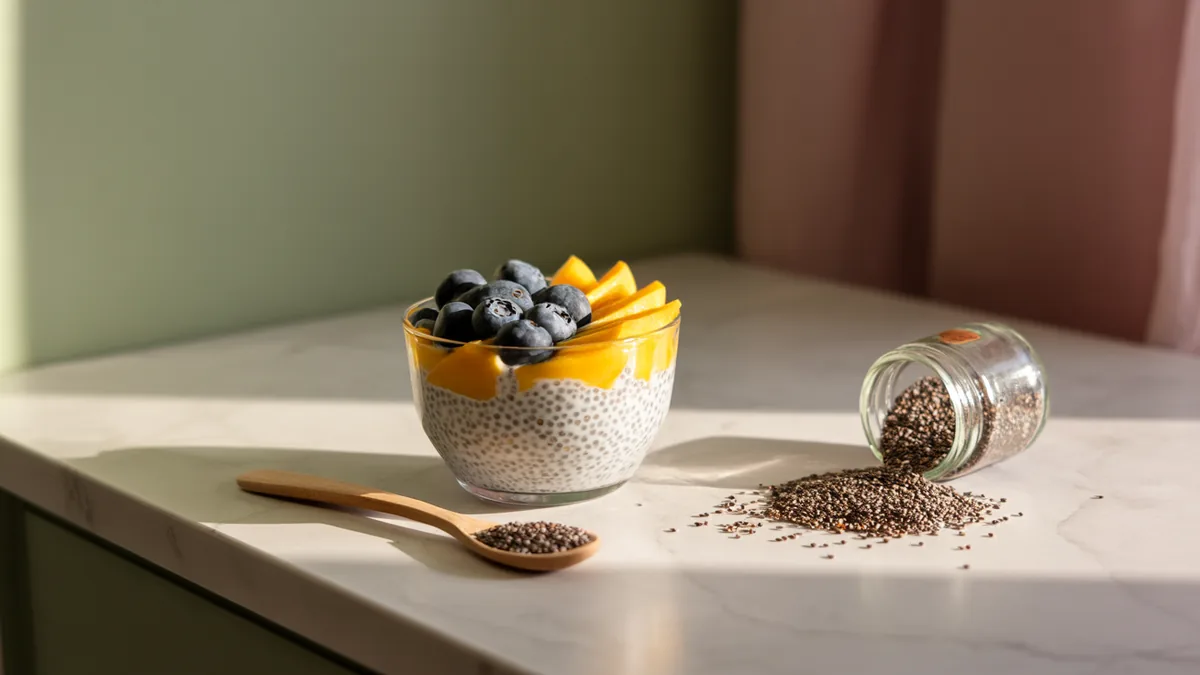
Two tablespoons of chia seeds, which is about one ounce or 28 grams, give you roughly 138 calories, 4.7 grams of protein, nearly 10 grams of fiber, and close to 5 grams of the plant omega-3 known as ALA. There is also about 179 milligrams of calcium tucked into that same little scoop. Those are the numbers I keep coming back to, because for a spoonful of tiny seeds, the fiber and the omega-3 figures are genuinely high. Everything else I love about chia grows out of that short list.
I did not grow up with chia. It arrived in my kitchen as a trend, a jar of pudding on somebody's feed, and I assumed it was more hype than food. Then I started reading the actual label on the bag, and the fiber line stopped me. Ten grams in two tablespoons is close to a third of what many women aim for in a whole day. I felt a little foolish for dismissing something so cheap and so useful, so I sat down and learned what the seeds really hold.
I am not a dietitian, and I will say that clearly wherever it matters, because chia comes with one real safety note about hydration that I want you to carry the whole way through. What I can offer is a specific, honest account of what a serving delivers, where the omega-3 story has real limits, and the small ways I fold chia into food I already eat. I lean on USDA FoodData Central for the baseline numbers so you are not trusting my memory. Let us look at the whole profile.
| Nutrient | Per 1 tbsp (12g) | Per 1 oz (28g) | Note |
|---|---|---|---|
| Calories | ~58 | ~138 | A small scoop, low in calories for the nutrients |
| Protein | ~2g | ~4.7g | Complete but modest; a helper, not the main source |
| Fiber | ~4g | ~9.8g | Very high; mostly soluble, forms the gel |
| Omega-3 ALA | ~2g | ~5g | A top plant source; ALA, not the EPA/DHA in fish |
| Calcium | ~77mg | ~179mg | A real plant bonus toward daily calcium |
The full nutrition snapshot in real numbers
Snapshot: One ounce of chia (28g, about 2 tablespoons) holds ~138 calories, 4.7g protein, 8.7g fat, 12g carbohydrate, and 9.8g fiber.
Let me lay the whole ounce out on the table, because chia rewards a close look. In 28 grams you get about 138 calories, 4.7 grams of protein, 8.7 grams of fat, and 12 grams of total carbohydrate. Of that carbohydrate, roughly 9.8 grams is fiber, which is the headline of the whole food. Subtract the fiber and you are left with only about 2 grams of net carbohydrate, which is why chia sits comfortably in lower-carb eating even though the total carbohydrate figure looks higher at first glance.
Most days I do not measure a full ounce, so the tablespoon math is worth knowing. One level tablespoon is close to 12 grams and gives about 58 calories, 2 grams of protein, and 4 grams of fiber. That single spoon stirred into oats or a smoothie is a real fiber addition for almost no calories. Two tablespoons is the portion I think of as a standard serving, and it is the one the headline numbers describe. You can check every figure yourself on the government database rather than taking my word for the totals.
What stands out on the label is the balance. The fat is mostly the good unsaturated kind, the fiber is unusually high for such a small volume, and the protein, while modest, is real. Chia is not a food you eat for calories or for bulk, since two tablespoons is a small scoop. You eat it for the density of nutrients packed into that scoop. Once I saw the numbers side by side, the trend jar suddenly made sense as something more durable than a fad.
The fiber story, and why you never eat it dry
Fiber: Two tablespoons carry nearly 10g of fiber, much of it soluble; chia can soak up around 10 times its weight in water.
Fiber is the reason I keep chia within arm's reach. Nearly 10 grams in two tablespoons is a large share of the 25 to 28 grams many women aim for daily, and a good part of it is soluble fiber. Soluble fiber is the kind that dissolves into a gel in water, and chia is a champion at it. This is the mechanism behind chia pudding: the seeds pull in liquid, swell, and set into that soft, tapioca-like texture without any cooking at all.
Here is the part worth respecting. Chia can absorb something like 10 times its weight in water, forming a thick gel around each seed. In your bowl that gel is lovely. In your throat, dry, it is a problem, which is the one safety note I promised. Eating a large spoonful of dry chia and then drinking water can let the seeds swell on the way down, and there are documented cases of that becoming a choking or blockage risk. The fix is simple and total: always hydrate chia in liquid first, or stir it well into a wet food.
In food that is already moist, chia is gentle and easy. The soluble fiber adds body to a smoothie and a pleasant heft to oats. Because fiber is filling, a spoonful can make a light breakfast feel more substantial without many calories. I am describing texture and fullness here, not treating anything, and I would rather you read a seed as a seed than as a cure. Kept wet and eaten in a normal portion, chia's fiber is one of the easiest wins in my kitchen.
The plant omega-3, and its honest limits
Omega-3 ALA: About 5g of ALA per ounce makes chia a top plant source, though the body converts ALA to EPA and DHA inefficiently.
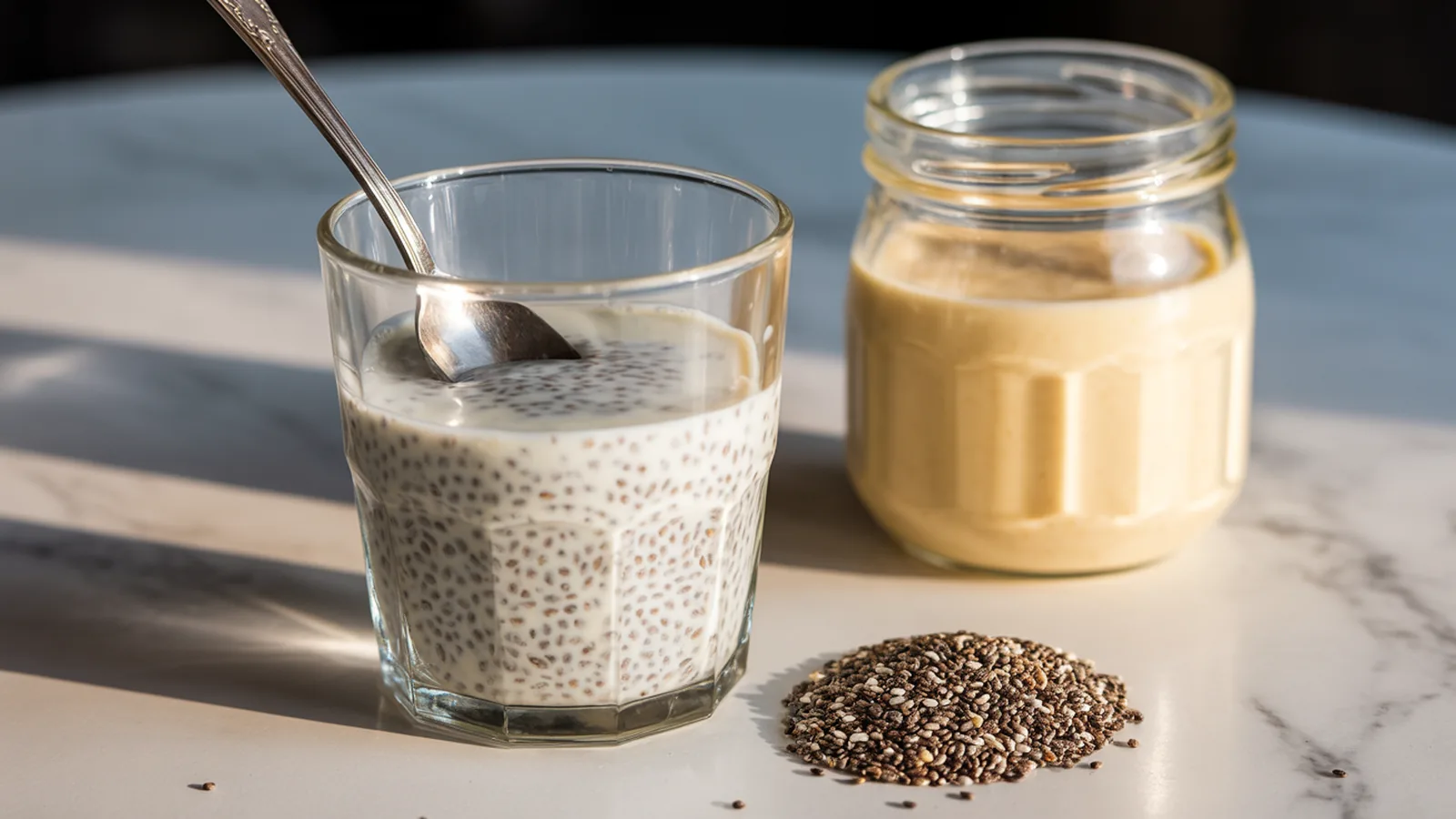
Chia is one of the richest plant sources of omega-3 fat, and that is a real distinction. Two tablespoons carry close to 5 grams of alpha-linolenic acid, or ALA, the omega-3 that comes from plants. By weight, chia sits near the top of the seed world for this, alongside flax. For anyone eating little or no fish, that plant omega-3 is a meaningful thing to have in the rotation, and it is a big part of why chia shows up on so many lists of foods worth eating.
Now the honest limit, because this matters and gets glossed over. ALA is not the same as the EPA and DHA omega-3s found in oily fish, which are the forms the body uses most directly. Your body can convert ALA into EPA and DHA, but the conversion is inefficient, often only a small single-digit percentage. So chia is a genuine omega-3 source, but it is not a one-to-one swap for fish or a fish-oil supplement. The NIH Office of Dietary Supplements lays out the difference between ALA, EPA, and DHA plainly if you want the detail.
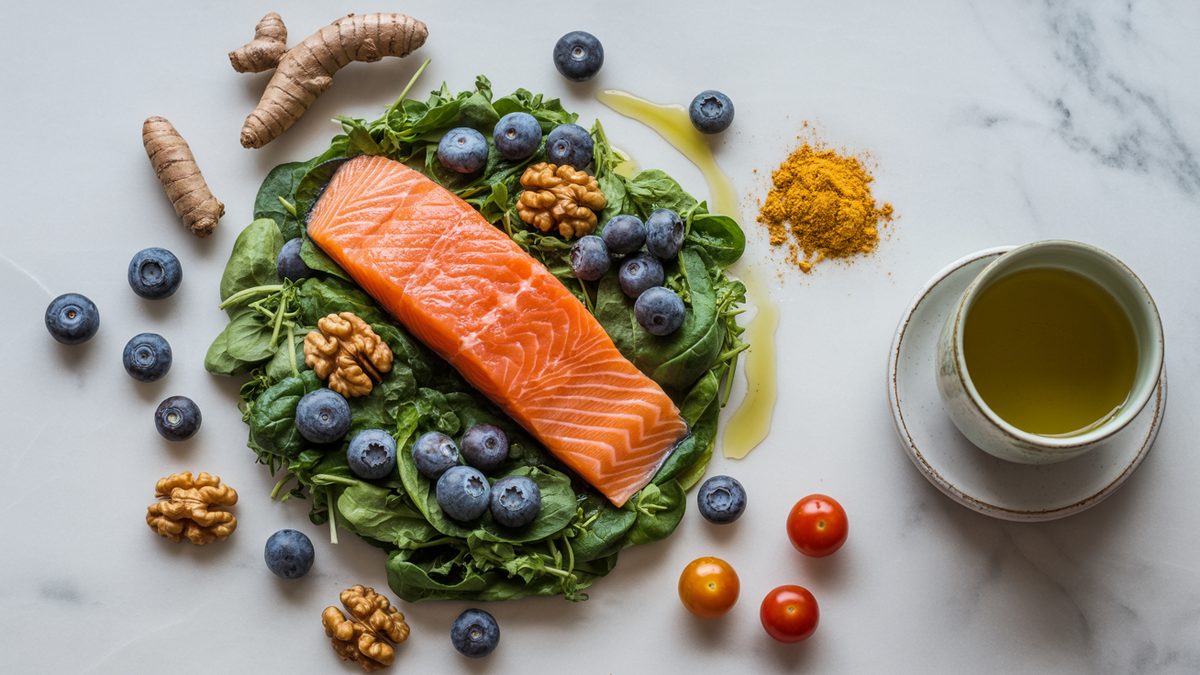
I hold this in perspective rather than either overselling it or waving it away. ALA is the plant omega-3 that shows up again and again on anti-inflammatory eating lists, and chia is an easy, affordable way to include it most days. That is a description of an eating pattern, not a claim that a seed fixes anything. If you like building meals around foods in this family, chia belongs on my anti-inflammatory foods list, next to the oily fish, olive oil, and leafy greens that carry the same reputation.
Protein: a helper, not the headline
Protein: About 4.7g per ounce, complete but modest; chia supports your protein total rather than carrying it.
Chia does carry protein, about 4.7 grams in two tablespoons, and it is technically a complete protein, meaning it supplies all nine essential amino acids. That sounds impressive, and it is a nice bonus, but I want to keep it in its lane. Two tablespoons giving under 5 grams is a helper, not a main source. For comparison, a couple of eggs or a small bowl of Greek yogurt runs two to three times that. Chia adds to your daily protein quietly; it does not anchor a meal on its own.
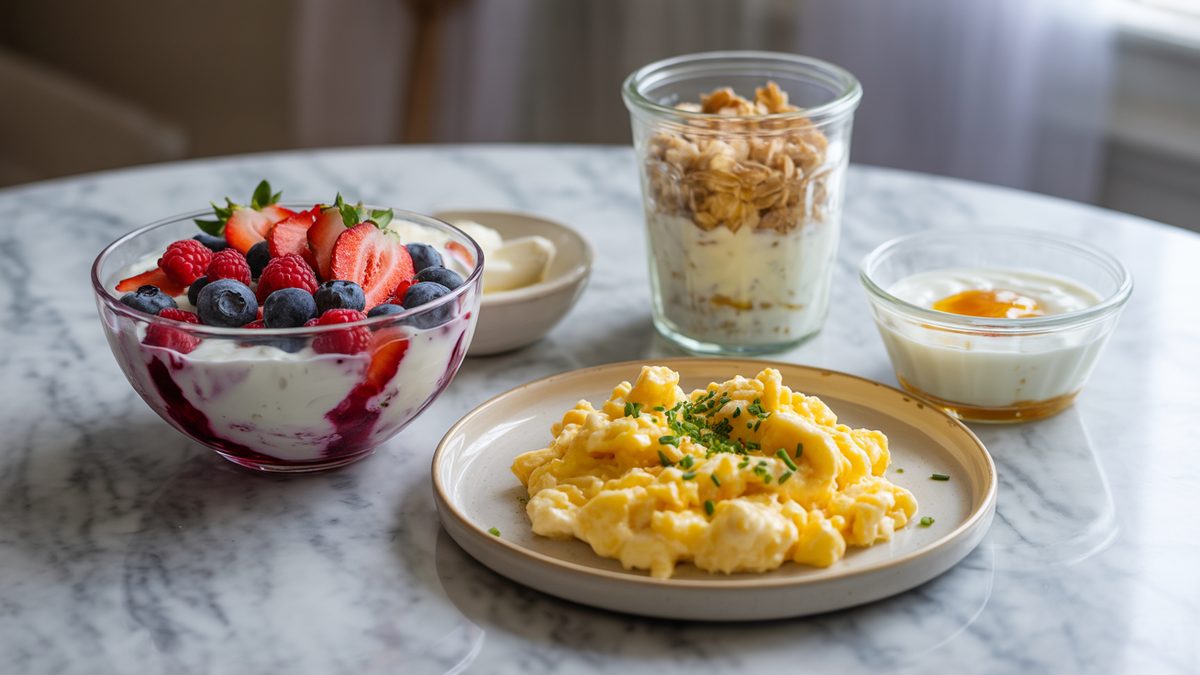
The way I use this fact is simple. I treat chia as a topping that nudges a breakfast a little higher in protein and a lot higher in fiber, rather than as the protein itself. Stirred into a yogurt bowl or a batch of oats, that extra 4 to 5 grams stacks onto whatever the base already provides. If protein is your main goal at breakfast, chia is a good sidekick to a stronger source. I gathered the real heavy hitters in my overnight oats protein guide, and chia earns a supporting role in most of them.
I say this because I see chia oversold as a protein food, and the label does not back that up. It is a fiber and omega-3 food that happens to bring a little protein along. Knowing which job a food actually does keeps your expectations honest and your plate balanced. When I want the protein to carry weight, I reach for eggs, dairy, tofu, or a scoop of protein powder, and I let chia do the thing it is genuinely great at, which is fiber and texture.
Calcium, magnesium, and the mineral bonus
Minerals: One ounce brings about 179mg calcium plus useful phosphorus, magnesium, and manganese for such a small seed.
The mineral column is where chia quietly overdelivers. Two tablespoons carry about 179 milligrams of calcium, which is a real contribution toward the roughly 1,000 milligrams many adults aim for daily. That is more calcium by weight than you would expect from a seed, and it is useful for anyone who does not lean heavily on dairy. I am not suggesting chia replace a glass of milk or a serving of yogurt, but as a plant that adds calcium to a smoothie or a bowl, it pulls more than its weight.
Beyond calcium, an ounce brings meaningful phosphorus, magnesium, and manganese. Magnesium is one of those minerals many people run a little short on, and chia offers a modest top-up. Phosphorus works alongside calcium in the body, and manganese is one of the trace minerals that seeds tend to be rich in. None of these are megadoses, and I would not want you to think of chia as a supplement. They are the kind of small, real contributions that add up across a varied week of eating whole foods.
One fair caveat: seeds contain compounds that can modestly reduce how much of some minerals you absorb, so the number on the label is a little higher than what your body takes up. Soaking chia, which you will be doing anyway for texture and safety, may help a touch. I mention it so the picture stays honest rather than glossy. Even accounting for that, chia's mineral load is a genuine bonus riding along with the fiber and omega-3, and it costs you almost nothing in calories to get it.
Chia vs flax and other seeds
Context: Chia and flax are close on omega-3 and fiber; chia can be eaten whole, while flax needs grinding to absorb.
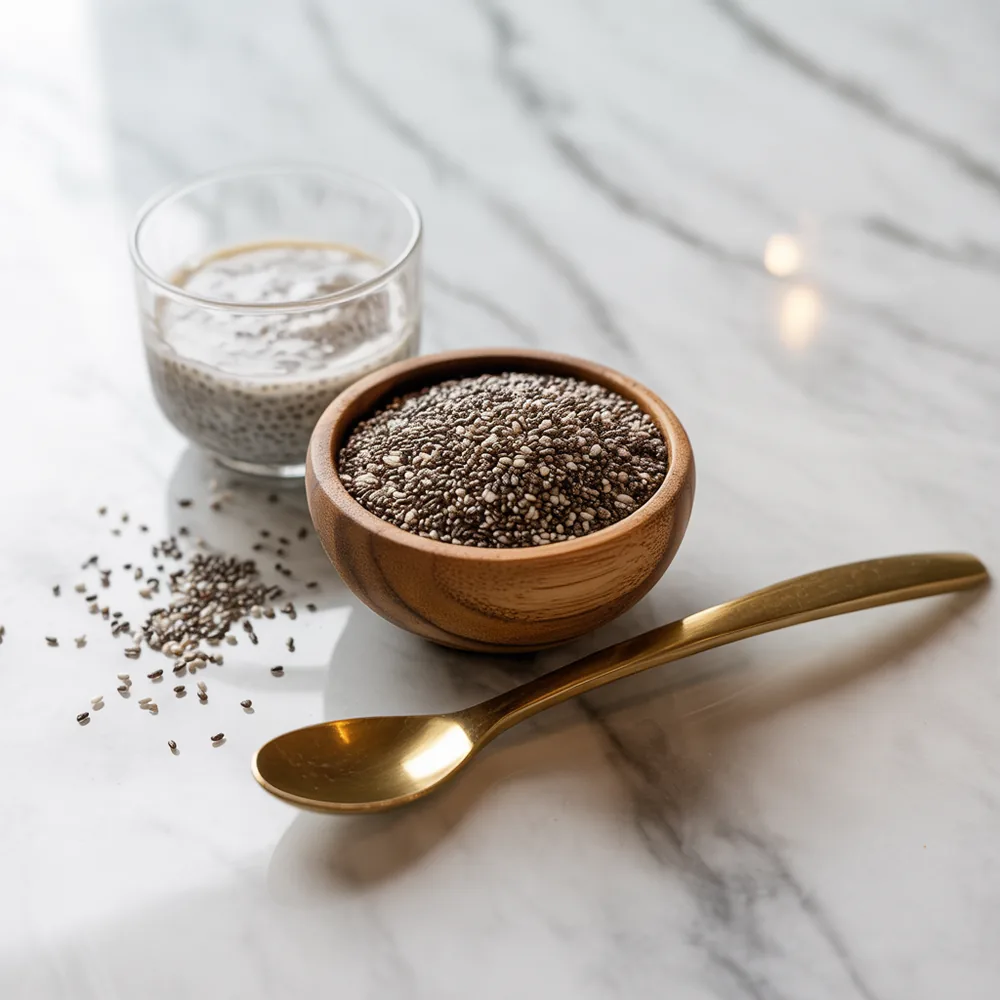
It helps to place chia next to flax, since the two get compared constantly. Both are top plant sources of ALA omega-3 and both are high in fiber, so nutritionally they are close cousins. The practical difference is texture and preparation. Flax needs to be ground for your body to reach the omega-3 and nutrients inside, because the whole seed often passes through undigested. Chia does not; you can eat it whole and still get the goods. That convenience is a real point in chia's favor for a busy morning.
Chia's other trick is that gel. Flax makes a mild slurry, but chia sets into a genuine pudding, which makes it more versatile as a base rather than just a sprinkle. Against seeds like hemp or pumpkin, chia wins on fiber and omega-3 but loses on protein, since hemp and pumpkin seeds carry noticeably more. This is why I keep more than one seed in the cupboard. They do different jobs, and chia's job is fiber, omega-3, and that thickening magic.
The honest takeaway is that there is no single best seed, only the one that fits the bowl you are building. I reach for chia when I want a pudding or a fiber boost that needs no grinding, and for flax when I am baking or want a nuttier flavor already in the batter. Rotating them means I am not leaning on any one source, which is how I like to eat in general. Chia, flax, hemp, and pumpkin each bring something a little different to a bowl. Variety across seeds is cheaper insurance than chasing a single superfood.
Peanut butter often ends up in the same jar of oats as chia, and it plays a very different nutritional role, as I explain in Peanut Butter Nutrition: The Full Profile.
How I actually use chia, with the ratios
Method: For pudding use about 1 part chia to 6 parts liquid; stir into oats or smoothies for a quick fiber lift.
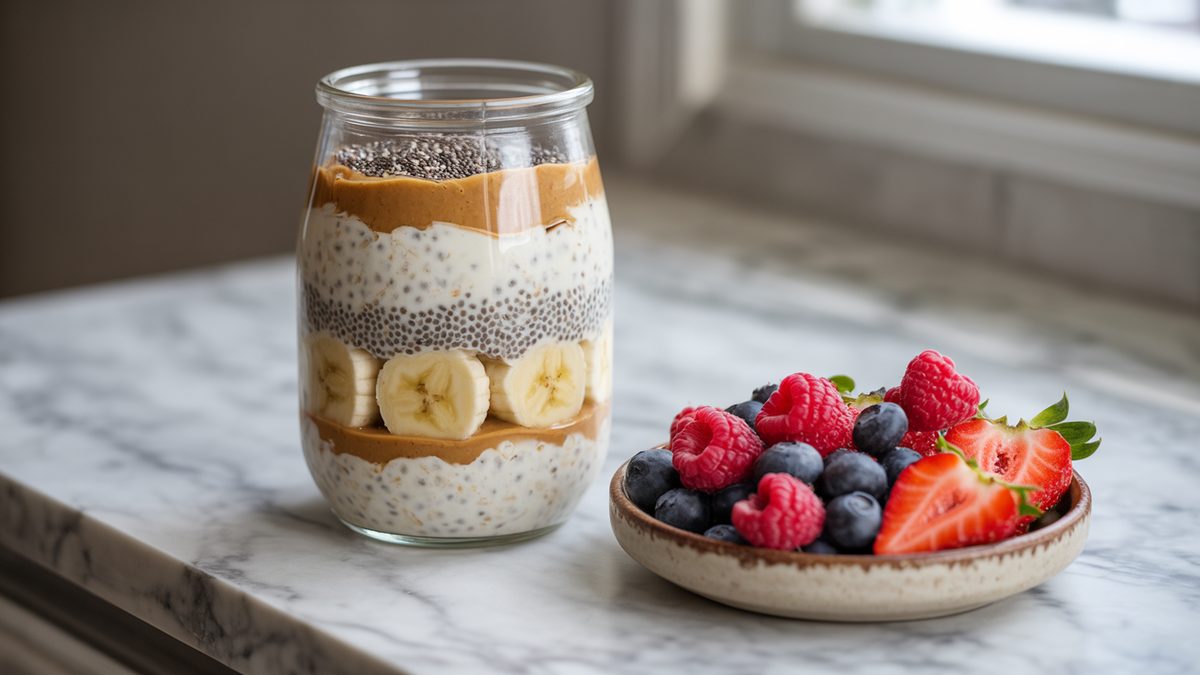
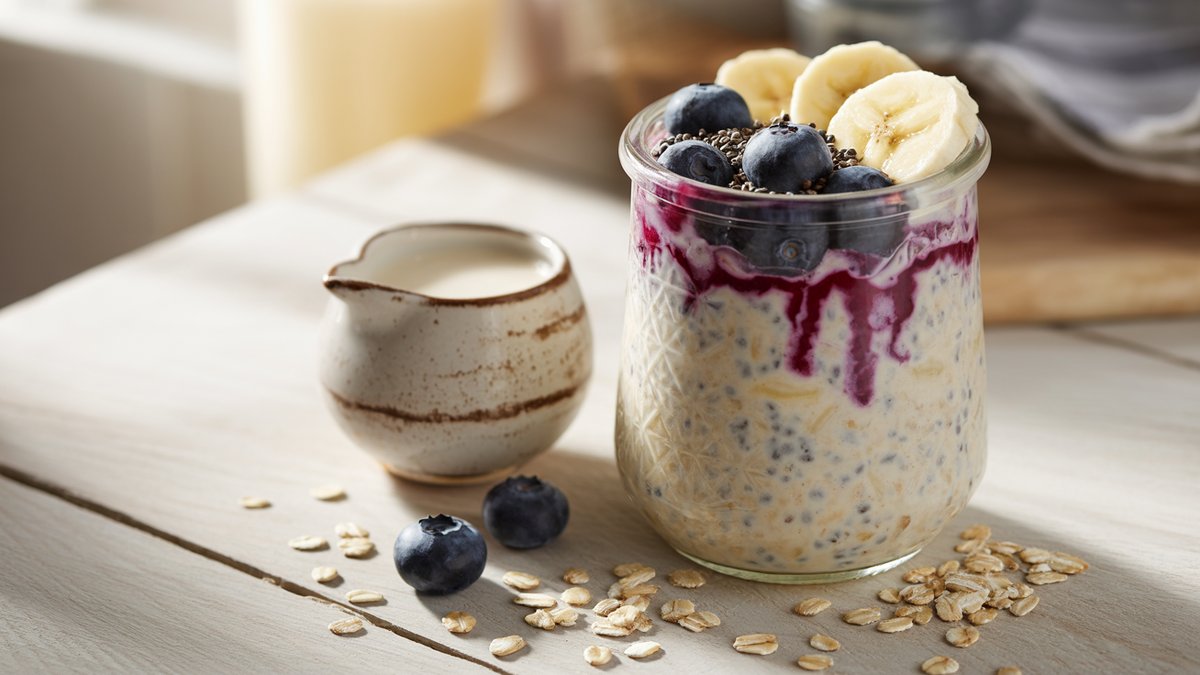
The single most useful thing I can hand you is the pudding ratio. About 1 part chia to 6 parts liquid, so roughly 3 tablespoons of seeds to 1 cup of milk, sets into a thick pudding overnight in the fridge. Stir it once after five minutes so the seeds do not clump, then leave it. In the morning it is a spoonable, creamy base ready for fruit, nut butter, or a drizzle of maple. If you like it thicker, use a little less liquid; thinner, a little more.
Beyond pudding, chia slips into food you already make. A tablespoon stirred into overnight oats thickens them and adds fiber without changing the flavor, which is why it shows up in so many of my recipes, including my overnight oats without yogurt method where the chia helps do the thickening the yogurt would. In a smoothie, a spoonful blends in almost invisibly and gives the drink more staying power. I also whisk chia into a jar of milk with cocoa for a quick chocolate pudding when I want something that feels like dessert.
A few small habits make it easier. I keep a jar of dry chia by the oats so adding a spoonful is automatic, and I make pudding in batches of three or four jars on Sunday so breakfast is handled. Black and white chia are nutritionally the same, so buy whichever is cheaper or looks nicer in your bowl. And always, always let the seeds meet their liquid before they meet your mouth. The whole pleasure of chia lives in that soaked, gelled texture anyway.
How much chia a day makes sense
Portion: About 1 to 2 tablespoons a day is sensible for most people; hydrate it well and add the fiber gradually.
A sensible daily amount for most people is about 1 to 2 tablespoons, which is 12 to 28 grams. That gives you the fiber and omega-3 benefits I have described without overdoing it. More is not automatically better, and with chia there is a specific reason to hold back, which is the fiber. Piling several tablespoons onto a gut that is not used to much fiber is a fast way to feel bloated and uncomfortable. Start with a single tablespoon a day and let your system adjust over a week or two.
Two rules travel with that portion. First, hydrate the seeds, both in your food and by drinking enough water across the day, because fiber does its best work with plenty of liquid around it. Second, add chia in gradually rather than all at once. I have watched enthusiastic friends dump three tablespoons into a smoothie on day one and regret it by afternoon. There is no prize for speed here. A steady tablespoon that you actually keep up beats a big scoop you abandon after a rough stomach day.
The amount that lasts is the amount you will genuinely repeat. For me that settled at one to two tablespoons most mornings, usually in oats or a pudding jar, and I rarely think about it beyond that. It is enough to matter and small enough to be effortless. If you have a medical condition or take medication and you are unsure how much fiber suits you, that is a fair question for your doctor rather than a seed article, and I would rather point you there than pretend to answer it.
When chia won't fit your life
Honest fit: Skip dry chia entirely, go slow if fiber upsets you, and raise diverticular or swallowing concerns with a doctor.
Chia is not risk-free, and I would rather be plain about that than cheerful. The clearest and most important rule is to never eat dry chia by the spoonful, especially if you then drink liquid on top of it. The seeds can swell in the throat or esophagus, and there are documented reports of that causing a blockage. This is not a scare, it is a simple handling rule: always soak the seeds or stir them into a wet food first, and let them gel before they reach your mouth. Followed, that rule takes the risk off the table.
The other common issue is gentler but real. Because chia is so high in fiber, too much too fast can bring gas, bloating, or cramping, particularly if your usual diet is low in fiber. This is not the seed being harmful, it is your gut meeting a big fiber load all at once. The answer is pace. Start with a single tablespoon, drink water alongside it, and build up over a week or two. If your stomach protests, scale back for a few days and try again more slowly. There is no rush worth an uncomfortable afternoon.
Some people should take extra care. If you have a history of diverticular disease, difficulty swallowing, or any bowel condition, small seeds are worth raising with your doctor before they become a daily habit, because the right call depends on your situation rather than on a general guide. And if chia simply does not appeal to you, that is reason enough to leave it. The real point was never this one seed. It was easy fiber and plant omega-3 tucked into an ordinary breakfast, and ground flax, hemp hearts, or a bowl of oats and berries can carry the same idea. Hold the principle more firmly than the seed, and the days without chia cost you nothing.
Helpful sources and next reads
Reliable external sources
More from Sabrina Saturno
You may also love
FAQ
How much chia should I eat per day?
About 1 to 2 tablespoons, which is 12 to 28 grams, suits most people. Start with a single tablespoon, drink water alongside it, and build up slowly so the fiber does not upset your stomach.
How many calories are in chia seeds?
One tablespoon (about 12g) has roughly 58 calories, and two tablespoons or one ounce (28g) has about 138 calories. That is a small scoop carrying a lot of fiber and omega-3.
Are chia seeds high in fiber?
Very. Two tablespoons hold nearly 10 grams of fiber, a large share of the 25 to 28 grams many women aim for daily. Much of it is soluble fiber, which forms the gel.
Can you eat chia seeds dry?
It is safer not to. Dry chia can swell in the throat or esophagus and there are reports of blockages. Always soak the seeds in liquid or stir them into a wet food first.
Are chia seeds a good source of omega-3?
Yes, about 5 grams of ALA per ounce makes chia a top plant source. But ALA is not the EPA and DHA found in fish, and the body converts it inefficiently, so it is not a one-to-one swap.
Do chia seeds have protein?
Some. Two tablespoons give about 4.7 grams of complete protein. That is a helper rather than a main source, so pair chia with eggs, dairy, or another stronger protein at a meal.
How much calcium is in chia seeds?
About 179 milligrams per ounce, which is a real contribution toward the roughly 1,000 milligrams many adults aim for daily. It is a useful plant source, especially if you do not rely on dairy.
What is the chia to liquid ratio for pudding?
About 1 part chia to 6 parts liquid, roughly 3 tablespoons of seeds to 1 cup of milk. Stir once after five minutes to stop clumping, then chill overnight until it sets.
Chia vs flax: which is healthier?
They are nutritionally close on omega-3 and fiber. Chia can be eaten whole and makes a gel, while flax needs grinding to absorb. I keep both and rotate them rather than pick a winner.
Do you need to soak chia seeds?
For pudding, yes, and for safety it is wise to hydrate chia in any form. Soaking gives the gelled texture and avoids the risk of dry seeds swelling as you swallow.
Are chia seeds good for a low-carb diet?
They can be. An ounce has about 12 grams of total carbohydrate but nearly 10 grams is fiber, leaving only around 2 grams of net carbohydrate, so chia fits lower-carb eating well.
Can chia seeds cause digestive problems?
Too much too fast can bring gas, bloating, or cramping because chia is so high in fiber. Start small, drink water, and add it gradually to give your gut time to adjust.
Do black and white chia seeds differ nutritionally?
No meaningful difference. Black and white chia have essentially the same nutrition, so choose whichever is cheaper or looks nicer in your bowl.
The version that lasts
The version of this that lasts for me is quiet and repeatable. A jar of pudding set the night before, or a tablespoon stirred into oats, most mornings of the week. I do not think hard about it anymore, and that is the point. Chia earned a permanent spot not because it is exciting but because it adds real fiber and plant omega-3 to food I was already going to eat, at almost no cost in effort or money.
Knowing the numbers is what settled it. I am not wondering whether chia is worth the fuss, because I know two tablespoons give me nearly 10 grams of fiber, close to 5 grams of ALA, about 4.7 grams of protein, and 179 milligrams of calcium. I know the protein is a helper, not the star, and I know the one rule that keeps it safe, which is to always hydrate the seeds before I eat them. That small amount of knowing turned a trend into a tool.
If one idea is worth carrying out of all this, let it be the handling and the honesty. Soak the seeds, start small, and treat chia as a fiber and omega-3 food rather than a miracle. It will not fix anything on its own, and it does not need to. A steady spoonful folded into a breakfast you already enjoy is the whole promise, and it is a good one. That is the version worth keeping, in whatever bowl you will actually reach for.