

I started doing face yoga on the mornings when I woke up already braced. You know the feeling: jaw set before your feet hit the floor, brow knotted from a dream you cannot remember, that thin band of tightness across the forehead that arrived overnight. Five quiet minutes of gentle facial movement does not erase a hard week, but it loosens the grip my face takes on the day before I have even had coffee. That is the honest promise here, and I would rather give you the honest one.
This is a slow, hands-on morning ritual: a few named moves that wake the muscles, encourage circulation, and invite a kinder kind of touch to a part of the body most of us only ever criticize in the mirror. I wrote it for women who want their face to feel less clenched and more theirs, not for anyone chasing a contour change. Face yoga will not sculpt your cheekbones or replace a treatment. What it offers is awareness, a little warmth in the skin, and a softer expression to carry into the day.
I will walk you through how each move should feel, how long to linger, how to breathe through it, and where it fits alongside the skincare you already do. None of it needs special equipment or a perfect mood. Most mornings I do it half-awake at the bathroom sink, and that imperfect version is the one that has actually lasted.
| Question | Short answer |
|---|---|
| How long does the routine take? | Around five to seven minutes for all five moves. On rushed mornings, a single jaw release counts. |
| Do I need any tools? | No. Clean hands and a little facial oil or moisturizer for slip are enough; a gua sha is optional. |
| When in my morning should I do it? | After cleansing, on slightly damp or freshly moisturized skin, before makeup. The slip protects against tugging. |
| Will it lift or slim my face? | No. It eases tension, warms circulation, and softens your expression. It does not change bone structure or replace treatment. |
| Is face yoga safe for everyone? | Mostly, but skip it with jaw disorders, facial pain, recent procedures, or active flares without a professional's okay. |
Waking the face before you touch it
Start here: Before any movement, take three slow breaths and warm your hands. A calm face responds far better than a face you ambush.
The first thing I do is not a move at all. I find a spot where I will not be rushed, usually the bathroom sink, and I take three slow breaths through my nose. On each exhale I let my shoulders drop and my teeth part, so the jaw stops clamping. It sounds too small to bother mentioning, but the whole routine works better when you arrive at it instead of charging in. Your face has been still all night, and a soft entrance tells your nervous system this is care, not one more task on the list.
Then I warm my hands. Cold fingers on sleepy skin make anyone flinch, so I rub my palms together for a few seconds until they feel friendly, then press them flat over my closed eyes and cheeks for one full breath. This is the moment I check in. Where is the tension this morning? Some days it is the jaw, some days the pinch between the brows, some days a heaviness under the eyes from too little sleep. Noticing tells me where to spend my few minutes, so the routine fits the face I actually woke up with.
Last, I add a little slip. A pea of facial oil, or whatever moisturizer I already use, is enough to let my hands move without dragging the skin. Tugging is the one thing I genuinely want you to avoid, because skin does not need to be pulled to feel good. With warm hands, soft breath, and a thin layer of slip, you are ready. The setup takes under a minute, and it quietly shapes everything that follows.
The forehead and brow smoother
The forehead is where I hold my thinking. By mid-morning my brow is often gathered into a small frown I never chose, and this move is how I ask it to let go. I place the flats of three fingers from each hand in the center of my forehead, just above the brows, and draw them slowly outward toward the temples. Light pressure, no scrunching of the skin, just a smooth glide. I repeat it eight to ten times, slow enough that a single pass takes a couple of seconds.
Then I tend to the spot between the brows, the little vertical pinch some people call the worry line. I rest a fingertip on each side and make small outward strokes, as if gently smoothing the gather flat. You are not trying to erase a line here, and I want to be clear about that. You are softening the muscle that keeps tugging the area tight. The honest payoff is a forehead that feels open rather than braced, and an expression that reads a touch more rested.
It should feel pleasant and a little warming, never sharp. If you catch yourself raising your eyebrows or tensing your neck to help, pause and reset. The point is to relax the forehead, not to recruit the rest of your face into the effort. I often notice a small sigh arrive on its own right here, which is usually the sign that the brow finally believed me.

Slow circles around the eyes
The eye area is where I am the most careful, because the skin here is thin and quick to show fatigue. Using only my ring fingers, which are naturally the weakest and so the least likely to press too hard, I trace a slow circle around each eye. I start at the inner corner near the nose, travel out along the brow bone, then come back underneath along the top of the cheekbone. Picture the pressure you would use on a soap bubble you did not want to pop. That gentle.
I make five or six loops, breathing slowly the whole time. On mornings when my eyes feel puffy from sleep or salt or a good cry, I pause at the inner corners and rest there for a breath, then add a few feather-light taps along the under-eye with my fingertips. This is not draining anything dramatic, but the light tapping feels genuinely refreshing and seems to wake the area up. I always finish by pressing softly at the temples, which is oddly soothing every single time.
What I want you to feel afterward is simply more awake around the eyes, a little less heavy, a little brighter in the way a cool cloth brightens. I do not promise it removes dark circles or fine lines, because that would not be honest. What it reliably gives is comfort, and a sense of having greeted a tired part of your face kindly before the day asks anything of it.
Waking and lifting the cheeks
The cheeks respond most to a real smile, so I start this move by making one. Not a polite smile, a proper one that lifts the apples of the cheeks. I hold it for a few seconds, feeling the muscles engage, then relax, and repeat the lift several times. It is a small, gentle hold, and it wakes a part of the face that tends to sit slack first thing in the morning. I can feel the warmth arrive after the third or fourth repeat.
Then I bring in my hands. With the heels of my palms resting near the corners of my mouth, I sweep upward and outward toward the tops of my ears, following the curve of the cheekbone. Slow and smooth, maybe eight passes. The direction matters less than the gentleness, but moving up and out simply feels good and coaxes a little colour into the skin. By the end my cheeks feel warm and faintly tingly, which is the circulation doing its quiet work.
I will be honest about the word lift, because the internet loves to oversell it. This move does not give you a facelift, and the warmth fades within the hour. What it does is bring colour and a feeling of liveliness to a sleepy face, and it nudges you toward smiling, which changes how a morning feels more than any contour ever could. I take that trade gladly, every day.
Releasing the jaw and neck
Where the tension lives: For most people, including me, the jaw holds the most stress. This is the move I would keep if I could keep only one.
If you do nothing else from this whole routine, do this. The jaw is where I store a startling amount of stress, often clenched in my sleep without any idea I am doing it. I let my mouth fall slightly open so the teeth are not touching, then place my fingertips just in front of my ears, where you can feel the jaw hinge, and make slow small circles there. When I find a tight, tender spot, and there usually is one, I rest on it and breathe until it eases a little.
Next I work along the jawline itself. With my thumbs underneath and fingers on top, I move in gentle gliding pinches from the chin out toward the ears, following the bone. This is where a gua sha tool, if you have one, slots in beautifully, though clean hands do the job perfectly well. I finish by tipping my chin up slightly and stroking down the sides and front of my neck with flat hands, always moving downward, a few light passes to carry the sense of release away from the face.
The feeling I am after is a jaw that hangs loose, almost heavy, the way it does when you are truly relaxed. Some mornings I yawn halfway through, which I take as a good sign. Be slow and careful if your jaw clicks, aches, or you have any diagnosed jaw condition, and skip the area entirely if a professional has told you to. Gentle for most is not gentle for everyone, and your comfort is the rule that overrides any instruction I give here.
The closing lymphatic sweep
I like to end with one continuous sweep that ties the whole thing together. Lymphatic massage has become a buzzword, so let me keep it grounded. This is a light, slow stroke that moves fluid the way your body already does, and the honest benefit is that it feels calming and can ease a little morning puffiness. I am not claiming it detoxifies you, because your liver and kidneys handle that. I am claiming it feels lovely and looks a touch less puffy, which is plenty for me.
The pressure is barely there, lighter than you would guess, because the vessels that carry lymph sit just beneath the skin. I begin at the center of my face and sweep outward and down. Forehead out to the temples, cheeks out toward the ears, then everything draining down the sides of the neck toward the collarbones. I press very softly just above the collarbones to finish, a few times, since that is where the fluid wants to go. The whole sweep takes maybe thirty seconds and feels like smoothing the day open.
This is also my favourite moment to take one more slow breath and notice the difference. The face that started clenched usually feels softer now, warmer, more present. That shift, rather than anything I can point to in the mirror, is the reason I keep coming back to all of this.

Folding it into your skincare
Make it effortless: Slot the routine into the skincare you already do, on damp or freshly moisturized skin, so it costs you no extra time block.
The routine that lasts is the one that does not feel like a new appointment, so I tuck mine inside the skincare I already do. After cleansing, my face is clean and there is a thin layer of moisturizer or oil giving me slip, which is the perfect window. I am not adding a step to my morning so much as slowing down a step I was already taking. That small reframing is most of why it stuck for me when nothing else had.
A few practical notes from doing this for a while. Always work on slightly damp or moisturized skin so your hands glide and never drag. Do it before makeup, not after, for obvious reasons. If you use a vitamin C or another active serum, let it absorb for a minute first, then do the moves over your moisturizer. And keep your hands clean, because you are touching your face a great deal, and the last thing you want is to undo a good cleanse.
On the mornings I genuinely cannot spare five minutes, I do not skip the whole thing. I pick the one move my face needs most, almost always the jaw release, and give it thirty honest seconds while my moisturizer sinks in. A tiny version still counts. The habit survives precisely because I let it shrink on the hard days instead of dropping it altogether.
What to honestly expect
Let me set expectations the way I wish someone had set mine. In the first week, the thing you will notice is not your appearance, it is awareness. You start catching yourself clenching your jaw at your desk, knotting your brow at your phone, holding tension you did not know was there. That awareness is the real gift, and it shows up quickly, because the practice trains your attention more than it trains your muscles.
Over a few weeks of most-mornings consistency, the changes stay subtle and they are about feeling. Your face may feel less braced through the day. Mornings may feel a little calmer for having a small ritual that belongs only to you. You might meet your reflection with more curiosity than criticism, which honestly matters more than any measurable change. What you will not get is a sculpted jawline, lifted cheeks, or fewer lines, and any video promising those is selling you something.
So judge this practice by the right yardstick. If you measure it against a non-surgical facelift, it will let you down every time. If you measure it by tension released, circulation warmed, and a kinder few minutes spent with your own face, it delivers reliably and quietly. That was always the honest offer, and after a year of imperfect mornings, it is the one I still keep.
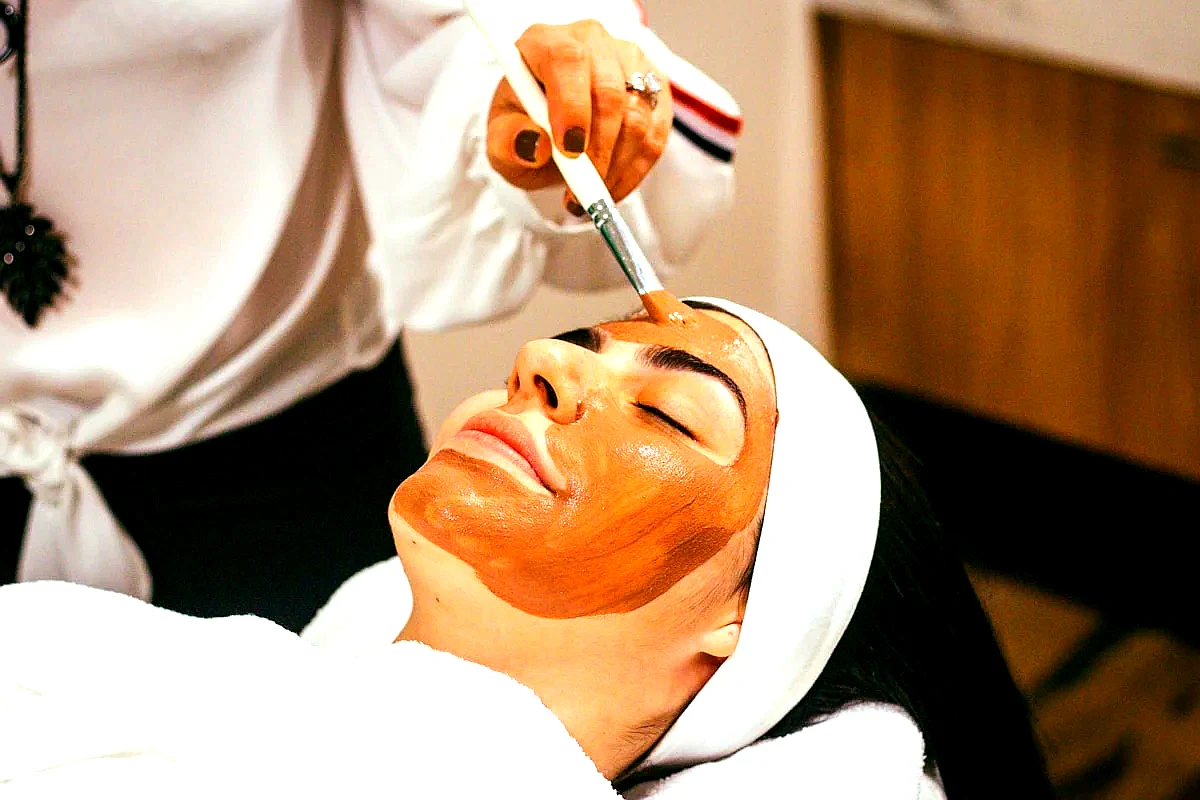
Why this matters more than it seems
The heart of it: Face yoga is less about changing your face and more about noticing how much tension you carry in it without realizing.
We hold a surprising amount of stress in the face, in a clenched jaw, a furrowed brow, a tightness around the eyes, and most of us carry it all day without ever noticing. A few minutes of mindful facial movement in the morning is really a daily check-in with that tension, a chance to release what we did not know we were holding.
It matters because the benefit is real even though the marketing oversells it. I am suspicious of anyone promising face yoga will restructure your features, but the genuine gift, more awareness, more circulation, a softer and less braced expression, is quietly worthwhile. It is one of the few beauty practices whose honest goal is simply to feel good and pay attention, which is rarer than it should be.
There is a grain of real physiology in the practice, even setting the hype aside. Gentle facial movement increases circulation, releases muscular tension we hold unconsciously, and brings mindful attention to a part of the body we usually ignore until we are criticizing it in a mirror. None of that will restructure your bones, but the relaxation and awareness are genuine, and they are quietly worth a few minutes of your morning. If you like the idea of working with your hands but want a little more structure, I find a gua sha tool is a lovely complementary practice that builds on the same gentle, circulation-focused movements.
What I learned the hard way
I came to face yoga chasing the dramatic before-and-afters, expecting it to lift and sculpt and transform, and I was disappointed when my face looked essentially the same. I almost quit, because I had judged it by a promise it was never really going to keep, the wrong yardstick entirely.
What kept me was noticing the actual benefit hiding underneath the hype. I became aware of how tightly I clenched my jaw, how often my brow was knotted, and releasing that made me look and feel less tense. The lesson reframed the whole practice: it was never going to change my face, but it changed my relationship with it, which turned out to be the better gift.
I also came to value face yoga as a rare beauty practice with no element of self-criticism built in. So much of beauty culture begins with a flaw to fix, but a few minutes of mindful facial touch begins with simple attention and care. It became a small daily moment of being gentle with my own face rather than scrutinizing it, and that reframing turned out to matter more than any physical effect.
How to know it's working
Face yoga works in ways you feel rather than dramatically see, and the signals are subtle but real.
- You become aware of tension in your jaw, brow, or eyes that you used to carry unnoticed.
- Your face feels more relaxed after the few minutes, a small but genuine release.
- You catch yourself unclenching during the day, because the practice raised your awareness.
- The morning ritual feels calming, a gentle way to greet yourself before the day's demands.
- You approach your reflection a little more kindly, with curiosity rather than criticism.
If you are doing it expecting visible transformation, you will likely be let down. Judge it instead by tension released and attention paid, and it quietly delivers every time.
When this won't fit your life
If you have a jaw condition, facial pain, recent procedures, or any medical concern involving your face, check with a professional before adding facial exercises, because gentle for most is not gentle for everyone. The practice should feel good and easy, never strained, and any discomfort is a signal to stop, not push.
And if mornings are simply too rushed for even five minutes, the spirit of this can live in a single conscious unclenching of your jaw whenever you remember it during the day. The real practice was always awareness of facial tension, and that costs no time at all once you have learned to notice it.
Hold the practice for what it honestly offers rather than what the dramatic videos promise, and it will reliably deliver. Approached as relaxation, circulation, and a kind morning check-in with yourself, it is a quiet pleasure. Approached as a non-surgical facelift, it will only disappoint. The gift was never transformation of your features. It was a softer, more aware, more affectionate relationship with the face you already have.
Helpful sources and next reads
Reliable external sources
More from Sabrina Saturno
You may also love




FAQ
Does face yoga actually lift or slim your face?
No, and I would not trust anyone who promises it does. Face yoga does not change bone structure or replace cosmetic treatment. What it genuinely offers is released tension, warmer circulation, and a softer, less braced expression.
How long should the morning routine take?
About five to seven minutes for all five moves, done slowly. On a rushed day, even thirty seconds of jaw release counts. The point is consistency, not clocking a perfect session every single morning.
Do I need a gua sha or roller to do this?
No. Clean, warm hands and a little facial oil or moisturizer for slip are all you need. A gua sha tool can feel lovely along the jaw if you have one, but it is entirely optional.
When in my morning should I do face yoga?
After cleansing, on slightly damp or freshly moisturized skin, and before makeup. The thin layer of product gives your hands slip so you glide instead of dragging, which protects the skin.
How much pressure should I use?
Less than you think. Around the eyes, use the weight of a single fingertip. For the jaw and cheeks you can press a little more, but it should always feel pleasant and warming, never sharp or painful.
How soon will I notice anything?
Awareness comes first, often within a week. You start catching yourself clenching during the day. Any change in how your face feels through the day builds gradually over a few weeks of most-mornings practice.
Can face yoga cause wrinkles from repeated movement?
Done gently, without scrunching or pulling the skin, it is not a concern for most people. The tugging worth avoiding is dragging skin around, which is why slip and a light touch matter so much.
Is it safe if I clench or grind my teeth at night?
The gentle jaw release can feel especially good for clenchers, but go slowly and stop if anything hurts. If you have a diagnosed jaw disorder or clicking, check with a dentist or physical therapist first.
Should I skip it if my skin is breaking out?
If you have active acne, eczema, or any flare, avoid massaging over inflamed areas so you do not spread bacteria or irritate the skin. Work only on clear areas, or pause the hands-on parts until things calm down.
Can I do face yoga at other times of day?
Absolutely. I like the morning because it eases overnight clenching, but an evening version is a calming way to release a stressful day. Any time you remember to unclench your jaw, you are practicing the heart of it.
Will it help with morning puffiness?
The light lymphatic sweep can ease mild puffiness and tends to make the face look a little less swollen. It is not detoxing anything, but the gentle drainage and the warmth genuinely feel refreshing.
What is the one move to keep if I only have a minute?
The jaw and neck release. For most of us that is where the most tension hides, and giving it thirty focused seconds delivers the biggest sense of relief for the smallest amount of time.
Do I need to do all five moves in order?
The order I use flows nicely, working from the forehead down and finishing with a sweep, but it is not sacred. Some mornings I only do what my face needs. A partial routine still earns its place.
One last word before you try it
If you take only one thing from me, let it be this: these five moves are a few minutes of kindness toward a part of your body you probably criticize more than you comfort. Wake the face gently, smooth the brow, circle the eyes, lift the cheeks, release the jaw, and finish with a soft sweep. None of it will reshape your features, and I would never pretend otherwise. What it reliably gives back is a looser jaw, warmer skin, and a calmer way to meet the morning.
Start small. Pick the jaw release tomorrow and add the rest as it feels good. Keep it tucked inside the skincare you already do, let it shrink on busy days, and judge it by how your face feels rather than what the mirror shows. That gentle, honest version is the one that will still be with you a year from now. If you are choosing between a full mat practice and a pilates one, I compared them in pilates vs yoga.