
I did not become a protein-snack person on purpose. I became one because I got tired of the 4 p.m. version of myself, the one who stood in front of an open pantry, ate three cookies standing up, and still felt hollow twenty minutes later. The fix was not willpower. It was keeping a short list of snacks with real protein in them, and keeping the ingredients where I could actually reach them.
So this is my honest list: 15 things I rotate through, roughly how much protein each one gives, and how it actually feels to eat. Some are cold and need a fridge. Some live in a drawer at my desk. A few are sweet, because pretending I never want sweet snacks has never once worked for me.
One thing before we start. Protein needs vary a lot from person to person, depending on your size, your activity, your age, and what your doctor or dietitian has told you. I am sharing what steadied my afternoons, not a prescription. Treat the numbers here as rough, friendly estimates, not exact lab values.
| Question | Short answer |
|---|---|
| How much protein in a snack? | Roughly 10 to 20 grams is a satisfying target that actually holds you to the next meal. |
| What is the easiest high-protein snack? | Two hard-boiled eggs (about 12g) or a single-serve Greek yogurt (about 15 to 18g). No cooking, no thinking. |
| Best no-fridge option? | Beef jerky (9 to 12g per ounce) or roasted chickpeas, both of which live happily in a desk drawer or bag. |
| Why pair protein with fiber? | Fiber slows digestion, so the protein keeps you full longer and you skip the quick crash a plain carb gives you. |
| Is it safe for everyone? | Protein needs vary by person. If you have kidney, allergy, or dietary concerns, check with your doctor or dietitian first. |
The 4 p.m. crash that started this
The short version: a snack with real protein at the right hour is not a treat to feel guilty about. It is the thing that keeps me from face-planting into a sleeve of crackers before dinner.
For a long time I thought snacking was something organized people did not do. I would eat lunch, get through a busy stretch, and then around four o'clock my brain would go soft and grey. I would tell myself I was fine, push through on coffee, and then arrive at dinner so hungry I ate the whole plate before I tasted any of it.
The change was almost embarrassingly small. I started keeping snacks with about 10 to 20 grams of protein within reach, and I ate one on purpose in the early afternoon, before the crash, not after it. The grey fog mostly lifted. I stopped grazing through the cabinet at five. Dinner went back to being a meal instead of a rescue mission. The same logic works earlier in the day too, which is why I pair these snacks with a handful of high-protein breakfast ideas.
Protein helps here because it digests slowly and tends to keep you fuller than a fast carb on its own. A handful of pretzels disappears from your stomach almost as fast as it disappears from your hand. A boiled egg or a cup of Greek yogurt sits with you. That staying power is the whole point, and it is why every idea below leans on a real protein source rather than a quick sugar hit.
What lives in my fridge
Cold and ready: these are my no-cook anchors. If my fridge has Greek yogurt, eggs, cottage cheese, and edamame in it, I am never more than a minute from a real snack.
Greek yogurt is my most-reached-for snack, and it is the one I recommend first to anyone who feels stuck. A plain single-serve cup runs around 15 to 18 grams of protein, which is a lot for something this easy. I stir in a spoon of honey and a few berries so it tastes like a small dessert instead of a chore. The texture is thick and almost mousse-like, and it holds me for a couple of hours, which most snacks this size do not.
Cottage cheese is the one I resisted for years and now keep on rotation. Half a cup gives roughly 12 to 14 grams. The smaller-curd, low-sodium tubs taste much milder than I expected. I go savory with cracked pepper and cucumber, or sweet with pineapple and a little cinnamon. It feels creamy and a touch tangy, and it is genuinely filling for how little effort it takes.
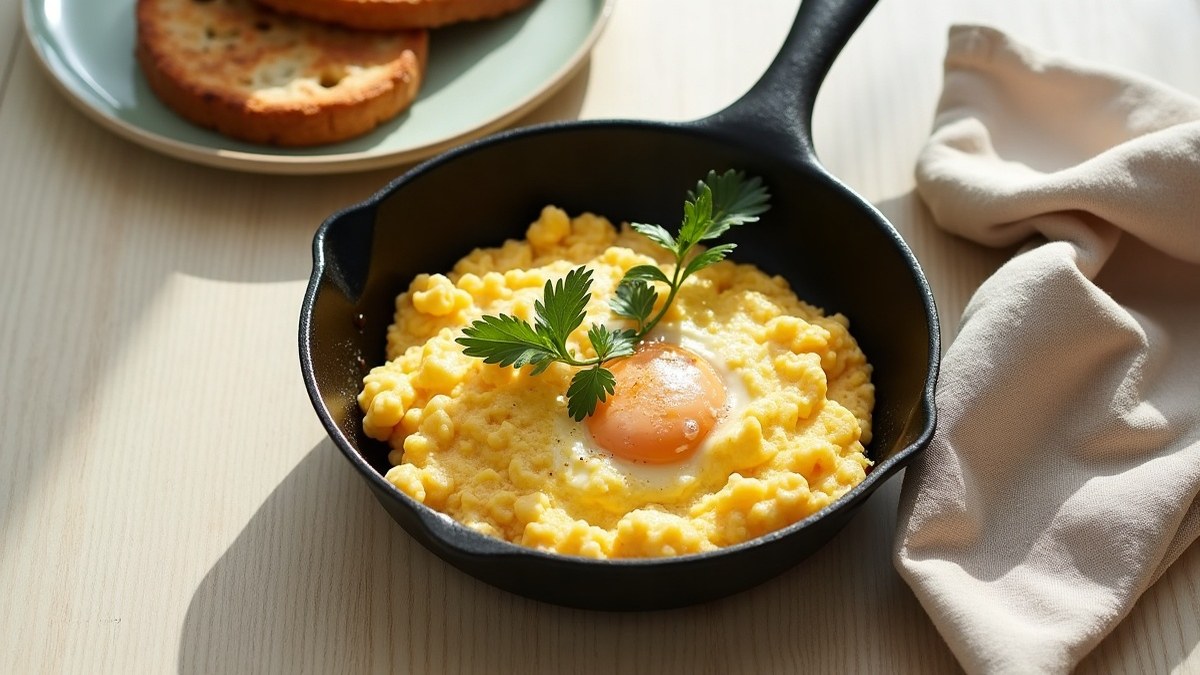
Hard-boiled eggs are the snack I make in batches on Sunday so my weekday self does not have to think. Two eggs give about 12 grams, plus fat that helps the fullness last. I keep six or eight in the fridge, already peeled in a covered bowl, and I eat them with a little flaky salt. They are plain in the best way, the kind of snack that quietly does its job.
Edamame is my favorite when I want to graze slowly instead of eating something in three bites. A cup of shelled, steamed edamame lands around 17 grams and also brings a nice amount of fiber. I buy it frozen, microwave it for a couple of minutes, and toss it with sea salt. Popping each pod open gives my hands something to do, which sounds silly but genuinely slows me down.
Tuna rounds out the fridge list, though it sometimes lives in the pantry too. A pouch or small can has about 16 to 20 grams of protein for very few calories. I mix it with a spoon of plain yogurt instead of mayo, pile it on cucumber rounds or whole-grain crackers, and call it a snack that easily stretches toward a small meal.
The pantry shelf I keep stocked
Shelf-stable saviors: jerky, roasted chickpeas, nut butter, and a good cracker. These are the snacks that do not require a fridge, a plan, or a clean kitchen.
Beef jerky, or turkey jerky if I want something leaner, is the snack I lean on when nothing in the house is fresh. An ounce gives roughly 9 to 12 grams of protein and survives in a bag for weeks. I look for brands without a mile-long sugar list, because some jerky is basically candy in disguise. It is chewy and salty and oddly satisfying when I want something with a little grit to it.
Roasted chickpeas are my crunchy answer to wanting chips. A half-cup serving brings about 7 to 10 grams of protein along with a real dose of fiber, which is the pairing that makes them hold. I buy them crispy or roast my own with paprika and salt. They scratch the same itch as a salty snack food, but they leave me steady instead of hungry again in twenty minutes.
Nut butter is my pantry workhorse, usually peanut or almond. Two tablespoons give around 7 to 8 grams of protein plus the kind of fat that makes a snack feel like enough. I keep single-serve packets in my bag and a jar at home. On its own by the spoonful it is a little much, so I almost always put it on something, which brings me to fruit in a minute.
Cheese and whole-grain crackers is the combination I default to when I want a snack that feels a bit like a small treat. A stick of string cheese or a wedge of a firmer cheese gives 6 to 8 grams, and pairing it with a fiber-rich cracker makes it hold longer than cheese alone. The salty-creamy-crunchy mix is genuinely lovely, and it travels well in a lunch bag.
A cooked batch of quinoa in the fridge earns its shelf space for snacks too, though the per-cup protein is modest once you see it written down in Quinoa Protein: How Much Per Cup Cooked.
Snacks that survive a bag
Portable picks: the snacks I trust to live in a tote, a glovebox, or a desk drawer without melting, leaking, or needing a fork.
The hardest part of snacking well is not the kitchen, it is the afternoons spent away from one. So a chunk of my list is built around things that travel without complaint. Jerky and single-serve nut butter packets are the obvious two, since neither needs refrigeration and neither makes a mess if I forget about it for a day.
Roasted chickpeas and a small bag of roasted edamame, the crunchy dried kind rather than the soft steamed pods, both ride well in a bag and give me that grab-a-handful feeling without the sugar crash. I portion them into little reusable pouches on Sunday so I am not eating a whole bag without noticing, which is easy to do when something is genuinely tasty.
For the cooler bag, I like the small ready-to-drink protein shakes and the individual cottage cheese cups with their own lids. A shake usually lands around 15 to 20 grams and is honestly a lifesaver on long drives or after the gym when chewing feels like too much. I keep one in my bag with a slim ice pack and stop worrying about timing my whole day around a fridge.
Trail mix is my one careful pick here, because the store versions can be more chocolate than nuts. I make my own with almonds, pumpkin seeds, and just a few dark chocolate chips, which gets me around 6 to 8 grams of protein per small handful plus good fats. The seeds and nuts are the point. The chocolate is there so I actually want to eat it.
When the craving is sweet
Sweet but steady: I stopped fighting my sweet tooth and started feeding it protein. A smoothie or yogurt with fruit scratches the itch without the four o'clock drop.
Pretending I never crave something sweet just sent me face-first into worse choices later, so now I build the sweet snacks on a protein base. A simple smoothie is my favorite version. I blend a scoop of protein powder or a cup of Greek yogurt with frozen berries, half a banana, and milk, which gets me 20 to 30 grams of protein in something that tastes like a milkshake. It is cold, thick, and feels like a genuine treat.
Greek yogurt with berries and a drizzle of honey shows up again here because it is the easiest sweet fix I know, with that 15 to 18 grams already built in. When I want a little crunch I add a spoon of granola or a few chopped nuts on top. The tartness of the yogurt against the sweet fruit keeps it from feeling heavy, and the protein means I am not hungry again before dinner.
Apple slices with nut butter is the snack that feels like childhood but actually holds me. The two tablespoons of peanut butter bring the protein and fat, the apple brings the fiber and the sweetness, and together they last far longer than either one alone. Crisp, a little sticky, faintly sweet. I make this one probably three times a week and never get tired of it.
When I want something that feels more like dessert, I do cottage cheese blended smooth with cocoa and a little maple, almost like a mousse, or I freeze yogurt-and-berry bites on a tray. Both let me end the afternoon on a sweet note while keeping the protein doing its quiet work in the background.
When I want something savory
Savory and grounding: on the days I want something salty and substantial, I reach for eggs, tuna, edamame, or a little cheese board built for one.
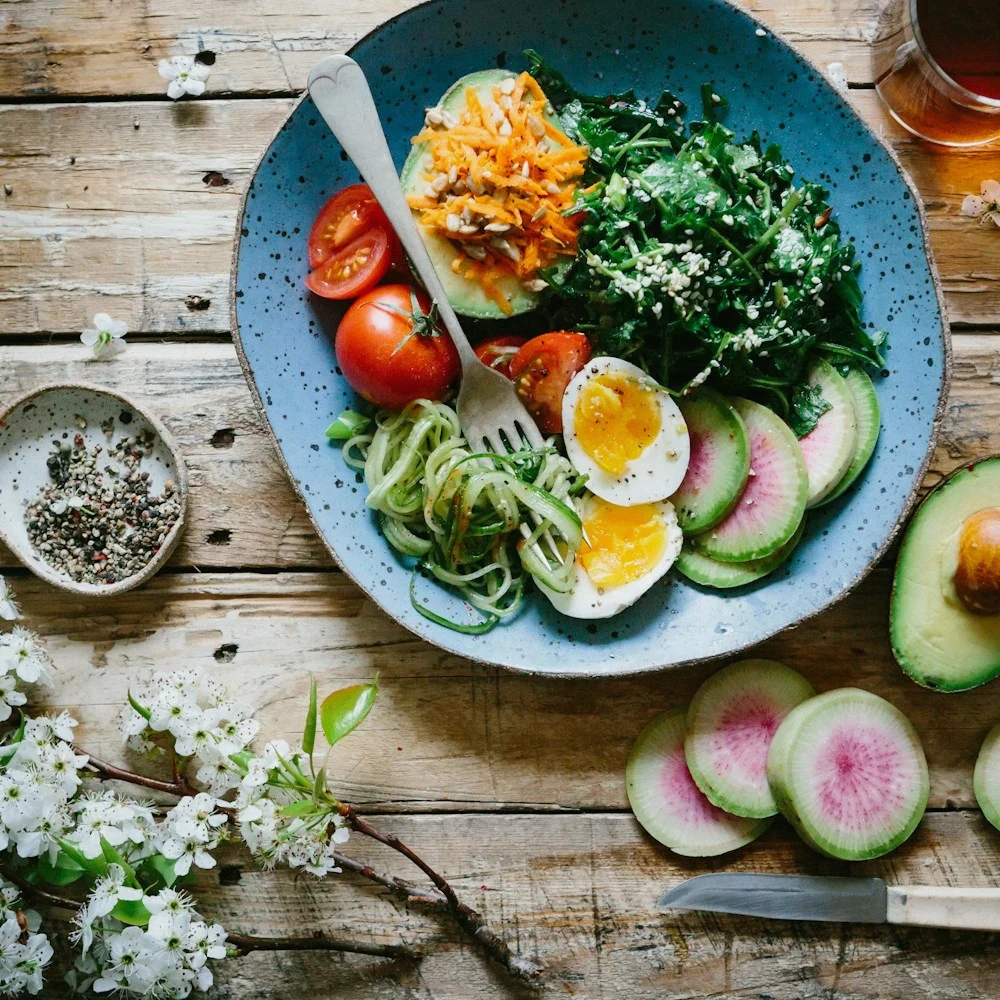
Some afternoons no amount of fruit will do, and I want salt and substance. That is when the eggs, the edamame, and the tuna earn their keep. A couple of hard-boiled eggs with flaky salt and a grind of pepper is plain and grounding, and the warm steamed edamame feels almost like a tiny meal when I am genuinely hungry rather than just snacky.
My single-serving cheese board is a small ritual I look forward to. A wedge of cheese, a few whole-grain crackers, some cucumber, and a handful of olives or cherry tomatoes. It is not a lot of food, but arranging it on a small plate makes the snack feel intentional instead of accidental, and the cheese carries 6 to 8 grams of protein with fat to match.
Tuna on cucumber rounds is my go-to when I want savory and light at the same time. I mash a pouch of tuna with yogurt, lemon, and pepper, then spoon it onto thick cucumber slices. It is fresh and a little crunchy, gives me close to 16 grams of protein, and feels far more pulled-together than the effort it actually takes.
Roasted chickpeas and the homemade trail mix both live in the savory column too, depending on how I season them. A bowl of warm chickpeas tossed with cumin and a squeeze of lime is one of my favorite quiet snacks, crunchy and a little smoky, with enough fiber alongside the protein to keep me settled for a good while.
Why I pair protein with fiber
The pairing rule: protein plus fiber or fat is what separates a snack that holds you from a snack that leaves you hungrier than before.
If there is one habit that made all of these work better, it is pairing. Protein on its own is good, but protein next to fiber or a little fat is what truly carries me from one meal to the next. The apple with the peanut butter, the chickpeas with their own fiber, the yogurt with the berries, the crackers with the cheese. Each pairing slows digestion down so the energy arrives gently instead of all at once.
This is also why I am wary of snacks that are pure fast carb. A handful of pretzels or a cookie spikes your blood sugar and then drops it, and that drop is often what leaves you hungrier twenty minutes later than you were before you ate. Adding protein and fiber smooths that curve out, so the snack actually does its job of holding you steady.
You do not need to be precise about it. I am not weighing food or counting fiber grams in a spreadsheet. I just ask a quick question before I eat: is there a real protein here, and is there something fibrous or fatty next to it? If the answer is yes to both, the snack will almost always hold. If it is a lonely carb, I add a string cheese or a spoon of nut butter and move on.
One gentle caveat worth repeating: how much protein you actually need, and how your body handles it, varies from person to person. Activity level, age, and any medical conditions all change the picture. These pairings work beautifully for my afternoons, but they are a general framework, not personalized advice.
Building a snack in two minutes
The playbook: pick a protein, add a fiber or fat, keep the ingredients stocked, and decide before you are starving. That is the whole system.
When I strip everything down, my snacking comes down to a tiny, repeatable formula. I pick one protein from the fridge or pantry, I add one fiber or fat to go with it, and I eat it before I hit the crash rather than after. Greek yogurt plus berries. Eggs plus a cracker. Chickpeas, which conveniently bring both. It takes about two minutes and almost no decision-making.
The unglamorous secret is the shopping list. None of this works if the ingredients are not in the house, so I keep a short standing list: Greek yogurt, cottage cheese, eggs, edamame, jerky, roasted chickpeas, nut butter, cheese, whole-grain crackers, tuna, and frozen berries. If most of those are stocked, I am never stranded with only chips and good intentions.
I also do a little prep on Sundays, the kind that takes ten minutes and saves me all week. I boil a batch of eggs, portion chickpeas and trail mix into small pouches, and make sure there are grab-and-go yogurt or cottage cheese cups in front. Future me, the tired four o'clock version, is genuinely grateful every single time.
The last piece is timing. The best protein snack in the world does nothing if I wait until I am already lightheaded and irritable to eat it. I try to snack at the first soft signal of hunger, not the desperate one. Eaten a little early, a 10 to 20 gram protein snack keeps the whole back half of my day calm, and that calm is the real reason I keep doing this.

Why this matters more than it seems
The heart of it: The right snack can change the emotional weather of an afternoon. I learned that the hard way at four o'clock, again and again.
Snacks get treated as a guilty afterthought, but they are quietly one of the most useful tools for steady energy and mood. A protein-anchored snack at the right moment prevents the afternoon crash that sends you reaching for sugar and coffee, which means snacking well is not a failure of discipline. It is a small, smart intervention in how your whole day feels.
It matters because the alternative, white-knuckling through hunger or grabbing whatever is fastest, sabotages the evening too. Arriving at dinner ravenous after an under-fueled afternoon is how most overeating actually happens, gently and predictably. A good snack is not indulgence, it is maintenance, keeping your energy and your appetite on an even keel so the rest of the day stays manageable.
There is a real metabolic logic to snacking well rather than heroically resisting. Letting yourself get too hungry sets up the late-afternoon crash and the ravenous evening, when most overeating quietly happens, so a well-timed, protein-anchored snack is a small intervention that steadies the whole back half of the day. Snacking, done thoughtfully, is not a lapse in discipline at all, it is a sensible tool for keeping energy and appetite on an even keel.
What I learned the hard way
For years I treated snacking as something to resist, a sign of weakness, so I would push through the afternoon slump on willpower and caffeine and then wonder why I was shaky, irritable, and inhaling everything in sight by dinner. I was proud of not snacking, and it was quietly wrecking my evenings.
Learning to snack on purpose, with protein and a little fiber or fat, fixed what restriction never could. The four o'clock crash softened, and the evening overeating eased on its own. The lesson was counterintuitive but clear: the problem was not that I snacked too much, it was that I snacked too little and too late, and fueling the afternoon kindly steadied the whole day.
I also learned that the quality of a snack matters far more than its presence or absence. A fast carb alone spikes and drops you, leaving you hungrier than before, while protein paired with fiber or fat actually holds. Understanding that difference turned snacking from a guilty habit I tried to suppress into a deliberate, useful part of how I keep myself fueled and steady through a long day.
How to know it's working
A well-built snack habit shows up in the shape of your afternoons and evenings, not in any guilt or restraint.
- The afternoon energy crash softens or disappears, and you stop reaching for sugar to cope.
- You arrive at dinner pleasantly hungry rather than ravenous and frantic.
- Your mood holds steadier through the late afternoon, the most common danger zone.
- A protein-anchored snack actually holds you, instead of leaving you hungry again in an hour.
- Snacking stops feeling like a guilty failure and starts feeling like sensible fuel.
If snacks leave you hungry soon after, they are likely too light on protein, fiber, or fat. Pairing rather than relying on a single fast carb is what makes a snack actually hold.
When this won't fit your life
If you have blood sugar conditions, dietary restrictions, or specific medical needs, the right snacking pattern for you belongs with your doctor or dietitian, who can tailor it to your body. General snack ideas are a starting point, not a prescription, and your individual health guidance always takes precedence.
And if you genuinely are not hungry between meals, you do not need to snack on a schedule just because a guide suggests it. The goal is steady energy and a calm appetite, however that works for you. Forcing snacks you do not want is just another rule, and the whole point was to eat in a way that fits your real hunger.
Hold snacking as a response to real hunger rather than a rule to follow on a schedule. If you are genuinely not hungry between meals, you do not need to snack just because a guide suggests it, and forcing food you do not want is simply another form of ignoring your body. The goal was always steady energy and a calm appetite, achieved by listening to your actual hunger rather than overriding it.
Helpful sources and next reads
Reliable external sources
More from Sabrina Saturno
You may also love



FAQ
How much protein should a snack actually have?
I aim for roughly 10 to 20 grams. That is enough to keep me full for a couple of hours without being so much that it spoils my next meal. Your ideal range may differ depending on your size and activity.
What is the single easiest high-protein snack?
Two hard-boiled eggs or a single-serve cup of plain Greek yogurt. No cooking, no measuring, around 12 to 18 grams of protein, and both are ready in seconds.
What can I snack on with no fridge nearby?
Beef or turkey jerky, roasted chickpeas, single-serve nut butter packets, and homemade trail mix all live happily in a bag or desk drawer for days without refrigeration.
Why does protein keep me fuller than chips?
Protein digests slowly, and pairing it with fiber or fat slows things further. A fast carb like chips empties quickly and can leave you hungrier soon after, while protein actually holds.
Are protein snacks good for losing weight?
They can help by keeping you full and steadying your appetite, which makes it easier to avoid ravenous overeating at dinner. Weight is individual, though, so talk with your doctor about what fits you.
What are the best sweet high-protein snacks?
A berry protein smoothie, Greek yogurt with fruit and honey, apple slices with nut butter, or cottage cheese blended smooth with cocoa. Each gets the sweetness without the afternoon crash.
How do I make snacks ahead of time?
On Sundays I boil a batch of eggs, portion chickpeas and trail mix into small pouches, and keep grab-and-go yogurt or cottage cheese cups at the front of the fridge. Ten minutes saves the whole week.
Is cottage cheese really that high in protein?
Yes. Half a cup gives roughly 12 to 14 grams. Look for low-sodium, smaller-curd tubs if you found it too salty or tangy in the past. It is creamy and surprisingly filling.
What about protein bars and shakes?
They are genuinely useful for busy days, often 15 to 20 grams in one grab. I just scan the label and pick ones that are not basically candy with a protein claim stuck on the front.
When is the best time to eat a protein snack?
For me, early afternoon at the first soft signal of hunger, before the four o'clock crash rather than after it. Eaten a little early, it keeps the back half of the day steady.
Are these snacks okay if I am vegetarian?
Plenty of them are: Greek yogurt, cottage cheese, eggs, edamame, roasted chickpeas, nut butter, cheese, and trail mix all work without meat. Edamame and chickpeas are especially good plant-based picks.
Do I have to snack even if I am not hungry?
No. Snacks are a response to real hunger, not a rule to follow on a clock. If you feel genuinely satisfied between meals, you do not need to eat just because a guide suggests it.
Can I keep my grocery costs reasonable?
Yes. Eggs, frozen edamame, canned tuna, dried chickpeas, and store-brand yogurt are inexpensive and stretch a long way. You do not need pricey specialty products to snack well.
Conclusion
None of these 15 snacks are clever. They are just eggs and yogurt and chickpeas, kept where I can reach them and eaten before the afternoon turns on me. The whole system is pick a protein, add a fiber or fat, and do it a little early. That is genuinely all it takes to keep my energy and my appetite on an even keel.
Start with one. Boil a few eggs tonight, or put a couple of yogurt cups at the front of the fridge, and see how next week's four o'clock feels. And remember that protein needs are personal, so let your own body, your budget, and your doctor's guidance shape what stays on your list.